

This kind of move deserves more time, not less.

Every service here exists because rushing this transition costs something: clarity, comfort, dignity, and the chance to do it with intention.
You don't have to figure this out under pressure. That's what we’re here for.
THERE ARE THINGS YOU STILL NEED TO SAY.
Legacy Coaching
A home holds more than furniture — it holds decades of a life. Legacy coaching helps older adults and their families think through what they want to carry forward, in objects, in stories, in values, and what it means to let go with intention rather than with loss.
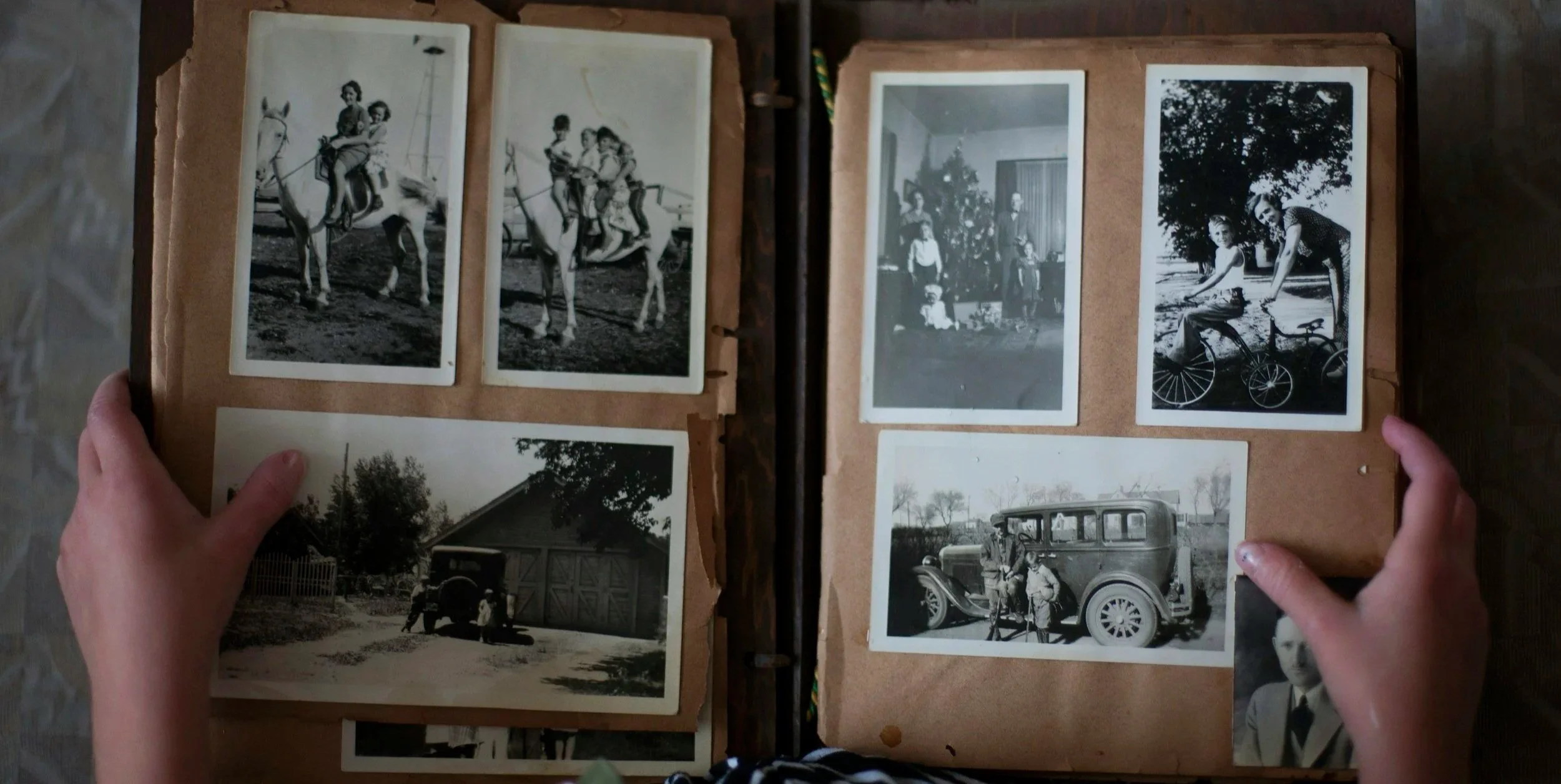
SOME THINGS DISAPPEAR IF NO ONE CATCHES THEM.
Memory Keeping
Some things only get preserved if someone decides to preserve them. Memory Keeping is the intentional practice of capturing a person's stories, voice, and life before the window closes — in a letter written to the people they most need to reach, a scrapbook assembled from the objects of a life, or a film made to last.
“I still grieve for the words unsaid. Something terrible happens when we stop the mouths of the dying before they are dead. A silence grows up between us then, profounder than the grave.”

THIS KIND OF MOVE IS MORE COMPLICATED THAN THE LAST ONE.
Transition Coaching
Before a house goes on the market or a single box is packed, we slow down and get clear. What does a good outcome look like for this person? What are the real priorities? What does the family need to understand? This is the foundation everything else rests on.
“Much unhappiness has come into the world because of bewilderment and things left unsaid.”

THE BELONGINGS IN THE HOUSE ARE NOT JUST STUFF.
Decluttering Support
This isn't a purge. It's a conversation between a person and what they've accumulated, done at a pace that respects the weight of the decisions. I help families work through a lifetime of belongings without it feeling like erasure. Nothing leaves without a decision, and every decision gets the time it deserves.
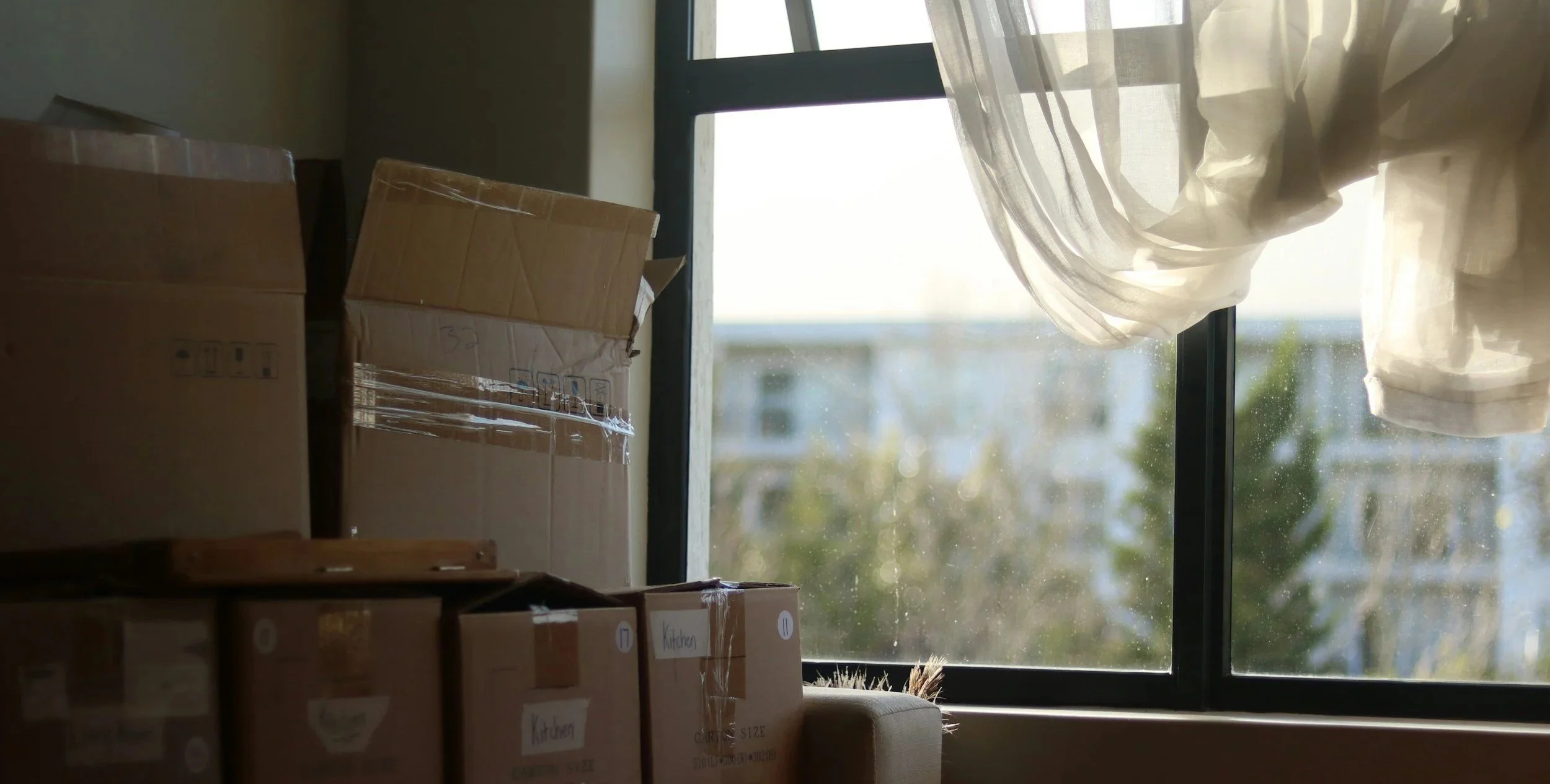
Packing Support
Practical, organized, and paced for the person making the move, not for the pace of the movers. I help coordinate what goes where, what gets set aside for family, and what needs special handling. When the physical and emotional weight of it becomes too much, I'm there to carry some of both.
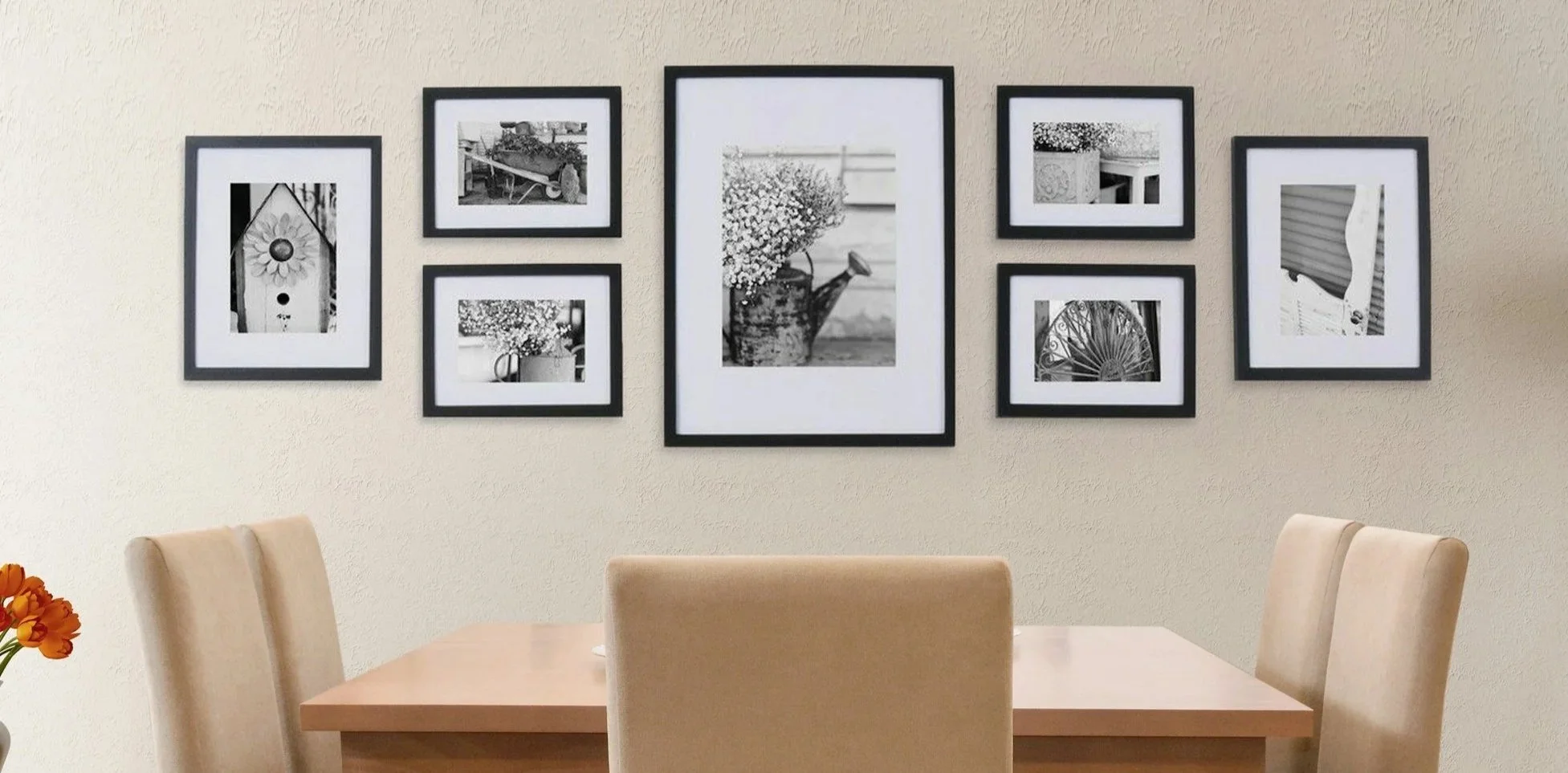
Unpacking & Settling In
Arriving somewhere new should feel like coming home, not like losing your footing. I help set up the new space so it echoes the best of the old one: the things that matter most, in the places they'll actually look for them. The goal is to move into a home that feels familiar and safe instead of just feeling new and different.
“There is no doubt that it is around the family and the home that all the greatest virtues of human are created, strengthened and maintained.”
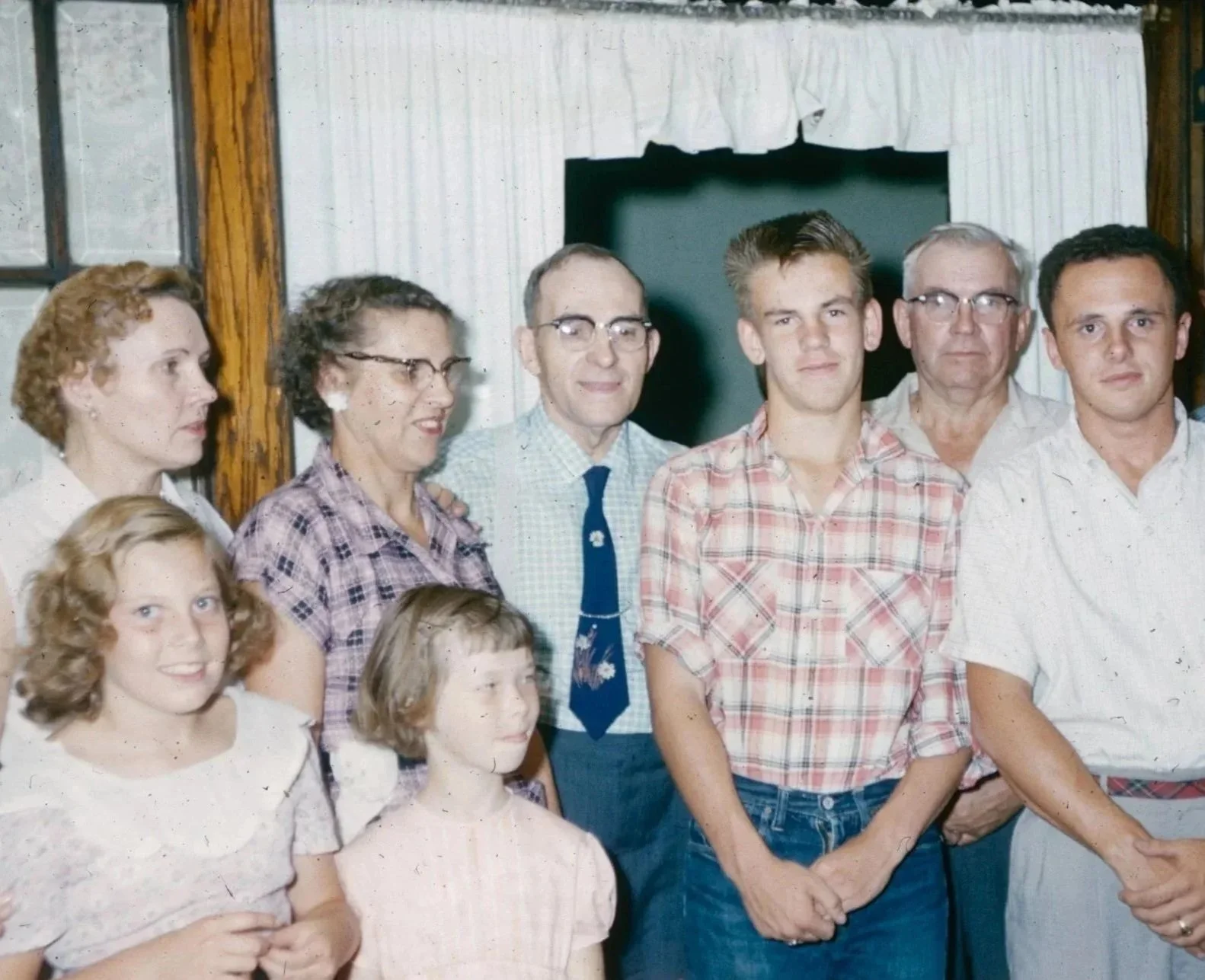
THE WHOLE FAMILY LOVES THE HOME, SO THE WHOLE FAMILY SHOULD BE THERE TO SAY GOODBYE TO IT.
The Heirloom Gathering
One of the most tender and complicated parts of any senior move: the things that matter to everyone, but differently. I help families create a structured, low-conflict process for gathering so they can sort, claim, and distribute heirlooms in a way that centers the older adult, honors sibling relationships, and preserves the stories attached to objects before they scatter. Think of it as a going-away party for the house where the gifts flow outward and everyone leaves with something that means something and a story to pass down with it.
One Relationship, the Whole Transition
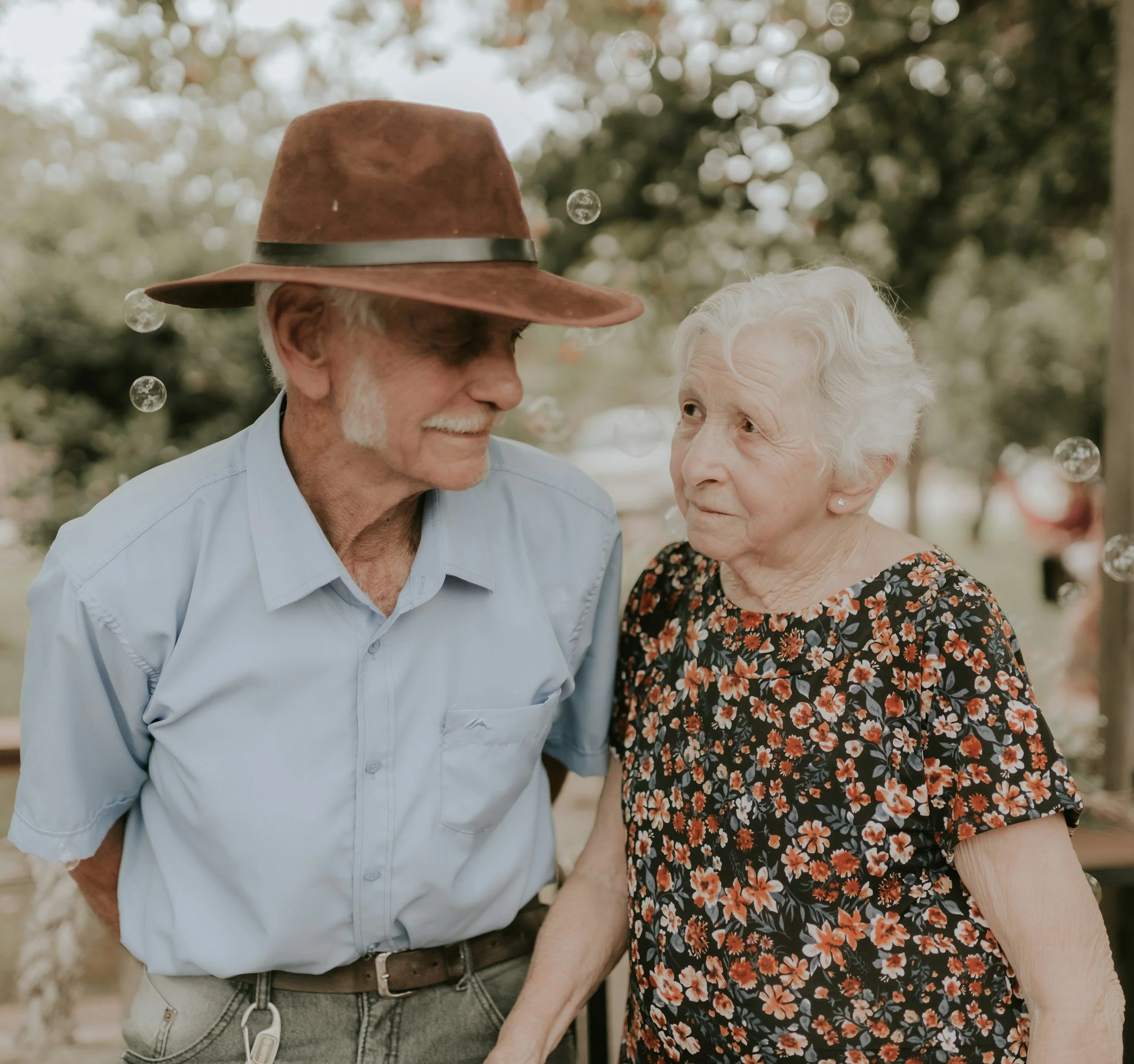
No two moves look the same. The combination of support your family needs — and the order you need it in — is particular to your person, your home, your history, and your timeline. That's why The Slower Move was built the way it was: one person who knows the whole story, who can move fluidly between the emotional and the logistical, and who stays with you from the first conversation to the last box unpacked.
A move of this magnitude is not just a logistical event. At its best, it's an artistic one. It’s a chance to consciously shape what the next chapter looks like. It's a healing one; an opportunity to process what's being left behind with care instead of chaos. And it's a transformative one, because the way a family moves through this transition changes what the transition means. When it's done well, it becomes part of the story they tell about their life, not just something that happened to them.
In addition to the transition services above, I also offer senior real estate, so that the sale of a home can be handled with the same intention that guides everything else we do here.
“Where we love is home — home that our feet may leave, but not our hearts.”
Frequently Asked Questions
-
The honest answer is: it depends on what you actually need, and I'd rather figure that out with you before we talk numbers. Some families need one conversation and a referral. Others need months of support across every stage of a move. I don't believe in quoting a price before I understand your situation, because a number without context isn't useful to either of us. What I can tell you is that the cost of doing this without support, when you’re during stress, mistakes, family conflict, and decisions made under pressure that can't be undone, is almost always higher than the cost of getting help.
-
A moving company moves boxes. What I do is help families navigate one of the most emotionally complex transitions a person can go through. I make sure the logistics serve the people, not the other way around. The physical move is one part of this. The rest of it consists of the conversations before it, the decisions about what to keep and why, the family dynamics, the grief, the relief, the sense of identity tied up in a home someone has lived in for forty years. I'm trained for all of it.
-
What do we do with everything that doesn't come with them? This is the question families underestimate almost every time. A lifetime of belongings doesn't sort itself, and the decisions involved are harder than they look. I help families think through what gets kept, what goes to family, what gets sold, what gets donated, and what gets let go — at a pace that respects what each of those decisions actually means. Nothing just disappears. Everything gets a choice.
-
Yes. I'm a licensed agent in New Hampshire with my Seniors Real Estate Specialist and Certified Relocation and Transition Specialist designations. But that's not where I start. The real estate piece is integrated into a much larger practice — it's there when you need it, and it's handled with the same values as everything else. You won't get handed off to someone who doesn't know your story.
-
This is where having someone with my background matters most. I have direct experience supporting people living with Alzheimer's and other forms of cognitive decline. I know how to slow down, how to meet someone where they are, how to find the thread of connection that remains when so much else has changed. I also know how to work alongside family members who are carrying a lot — because in these situations, the adult children need support too.
Questions I Wish People Asked More Frequently
-
Earlier than you think. The families who have the hardest time are almost always the ones who waited until a health event forced the decision — because at that point, urgency is running everything. If your parent is starting to mention the house feeling like too much, or you're noticing things during visits that concern you, or you're just quietly wondering what the plan is — that's the time. Not when the plan is already overdue.n text goes here
-
Then you're in good company, and you need someone in the room who has no stake in your family dynamics. Adult children almost never agree completely — about timing, about risk, about what their parent actually wants, about what the house is worth emotionally versus what it's worth on the market. I've sat in those rooms. I don't take sides. My only job is to keep the focus on your parent and make sure the process doesn't damage the relationships that have to survive it.
-
Yes, and honestly, this is some of the most valuable work I do. Not every conversation ends in a move. Sometimes the most important thing is helping a family get clear on what staying would actually require, what options exist, and what everyone's real priorities are. Being ready to move and being willing to think about it are two different things, and you don't need the first one to benefit from the second.
-
Absolutely. Aging in place is a legitimate choice and often the right one — but it needs to be made deliberately, not by default. I can help assess whether staying is realistic, what modifications would make it sustainable, and what support infrastructure would need to exist. Sometimes that conversation ends with a plan to stay. Sometimes it surfaces things the family hadn't considered. Either way, you leave knowing more than you did.
-
Unhurried. That's the word I come back to. I'm not trying to move fast or close anything. I'm trying to make sure that when this transition is over, your family feels like you did it right — that you honored the home, the person, and each other. People tell me afterward that they didn't know it could feel this way. That's what I'm here for.
Don’t hesitate to reach out with questions!