

The stories only get preserved if someone decides to preserve them.
MEMORY KEEPING
Most families mean to do this, but they assume that there will be more time, like another visit, another holiday, a quieter season when everyone can sit down and really talk. Then the move happens, or the diagnosis, or the death, and what's left is a box of photographs no one can identify and a version of a person that only existed in their own memory.
More than half of Americans cannot name all four of their grandparents. Only 4% can name all eight great-grandparents. These aren't failures of love, they're failures of timing. The stories were there, but no one sat down to keep them.
Memory Keeping exists because that window is real, and it closes.

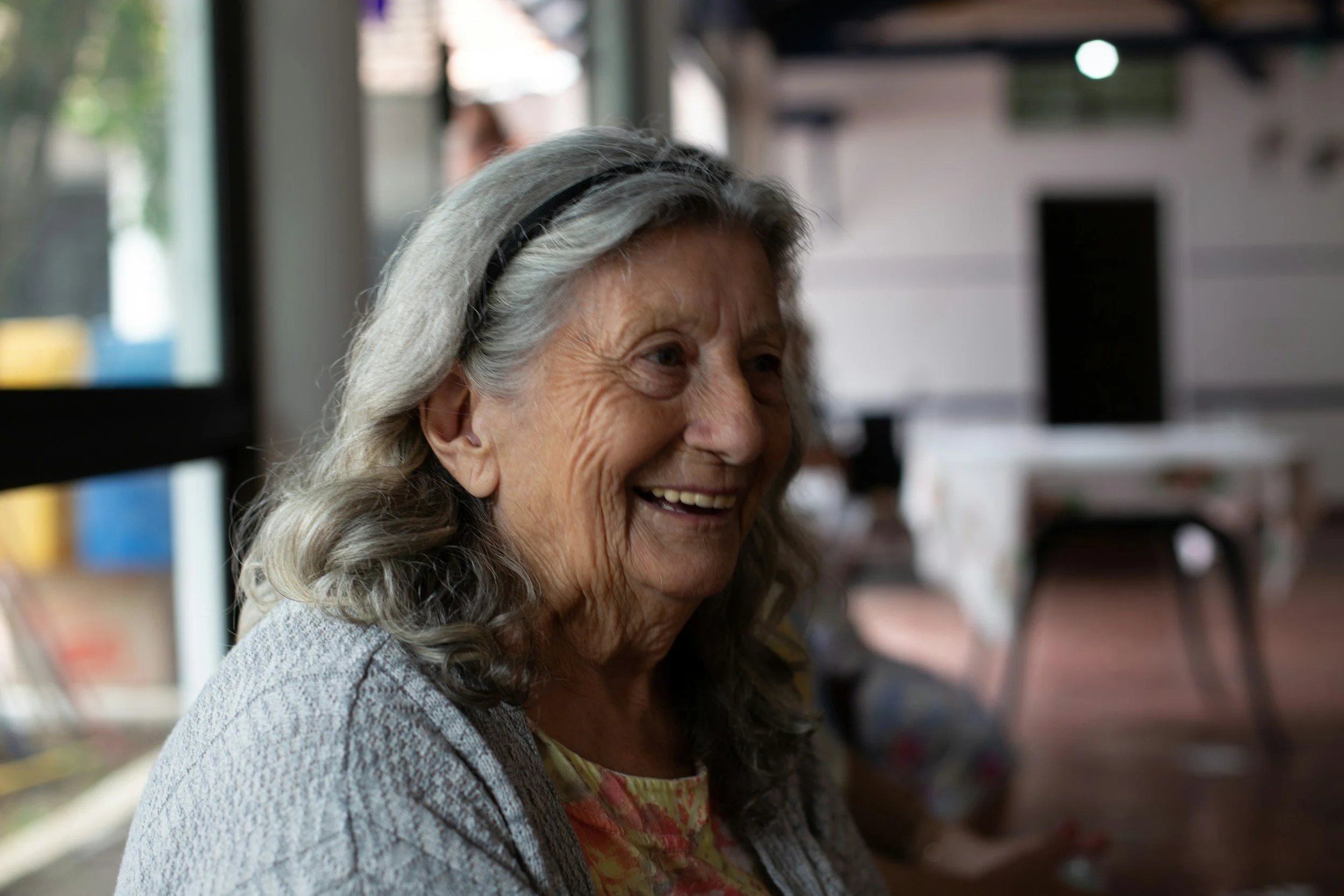
WHAT THIS IS
Memory Keeping isn't simply a product you order. It is a deliberate practice that ends with something you can keep. Each service begins with a conversation and closes with an object — a letter, a book, or a film — made to outlast the moment it was created in.
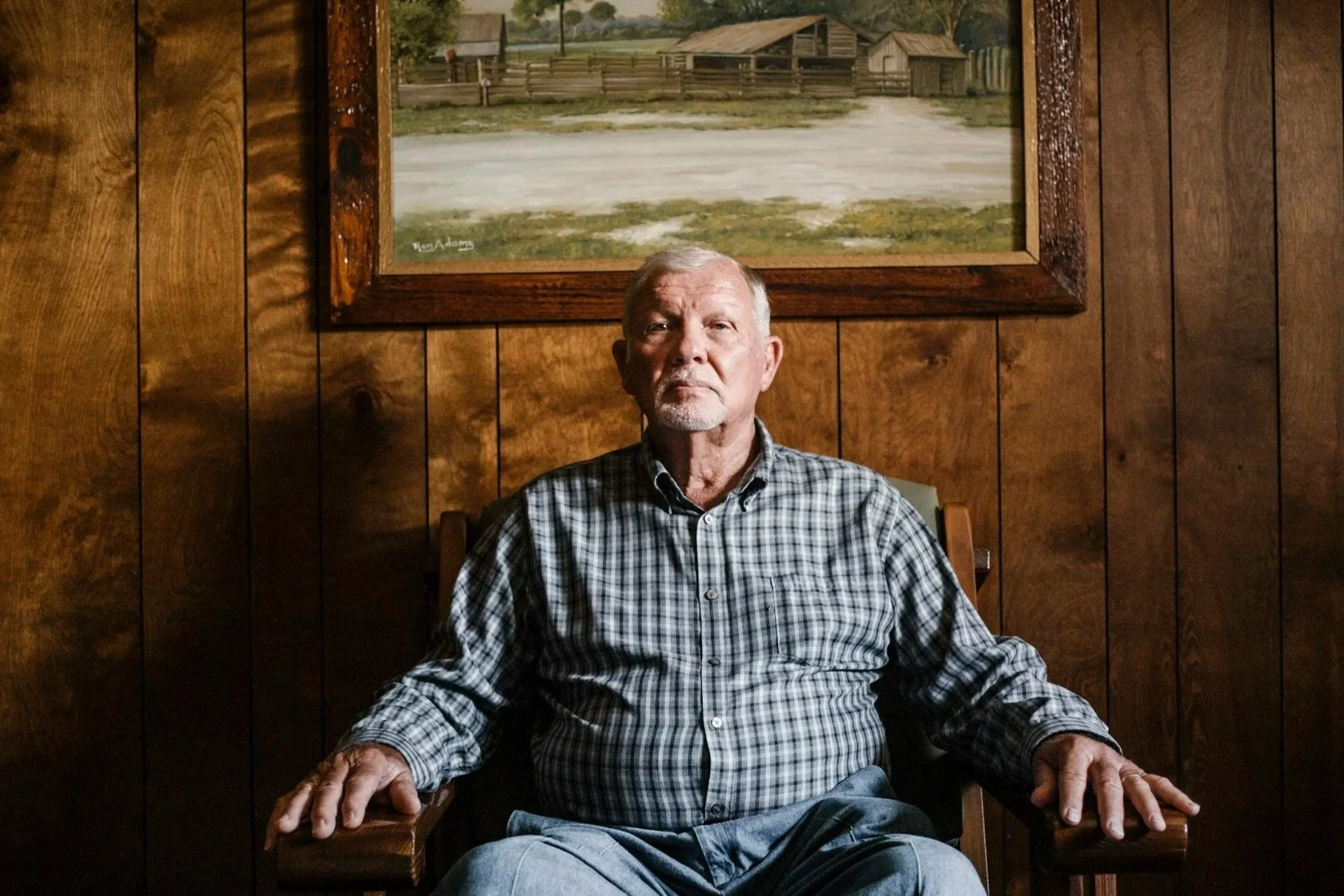
“What the next generation will value most is not what we owned, but the evidence of who we were and the tales of how we loved.”
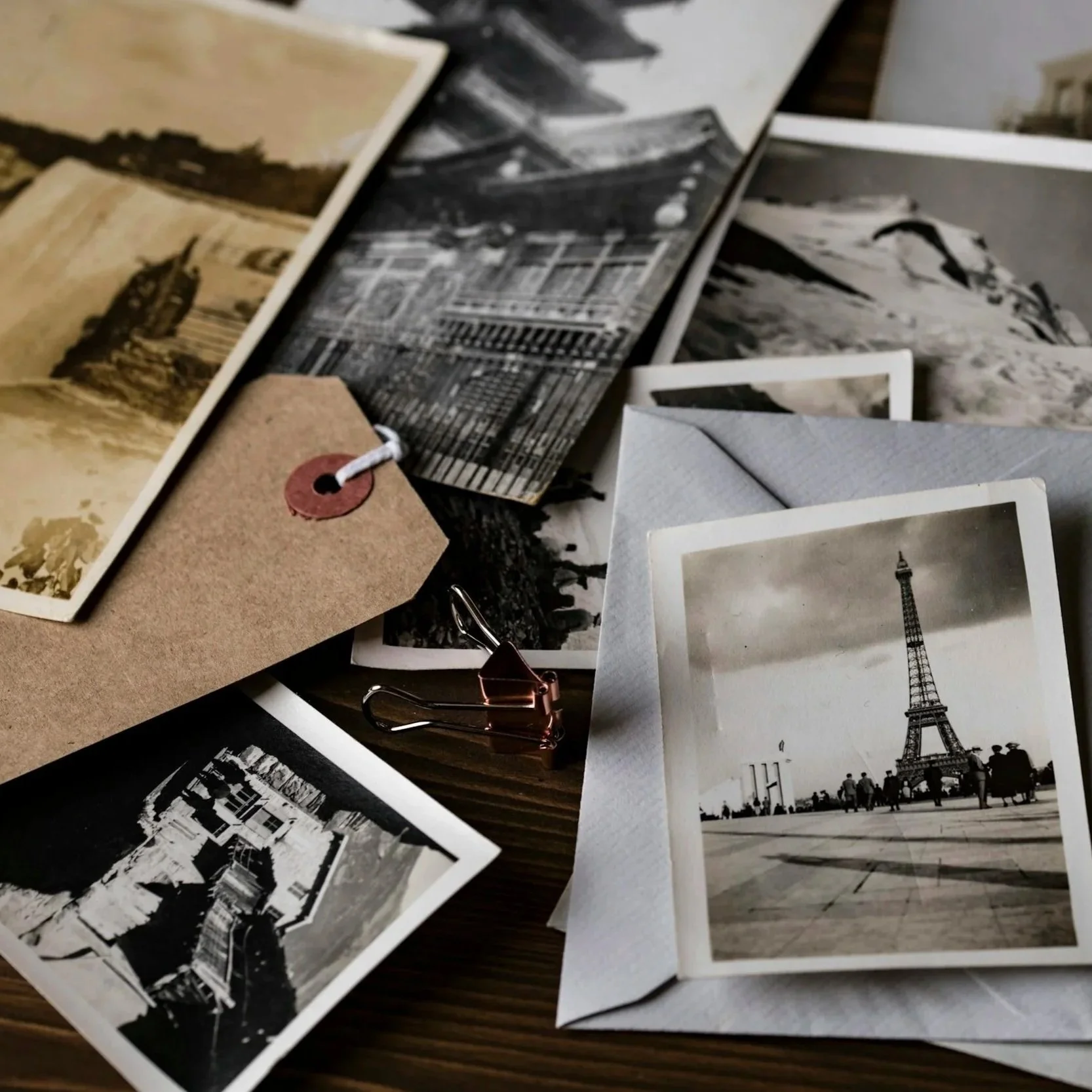
THREE WAYS TO KEEP THE MEMORIES
The Kept Book
A completed physical scrapbook, assembled by me from a single day of reminiscing and sorting together. Delivered by hand when finished. A record of a life in full color, texture, and story.
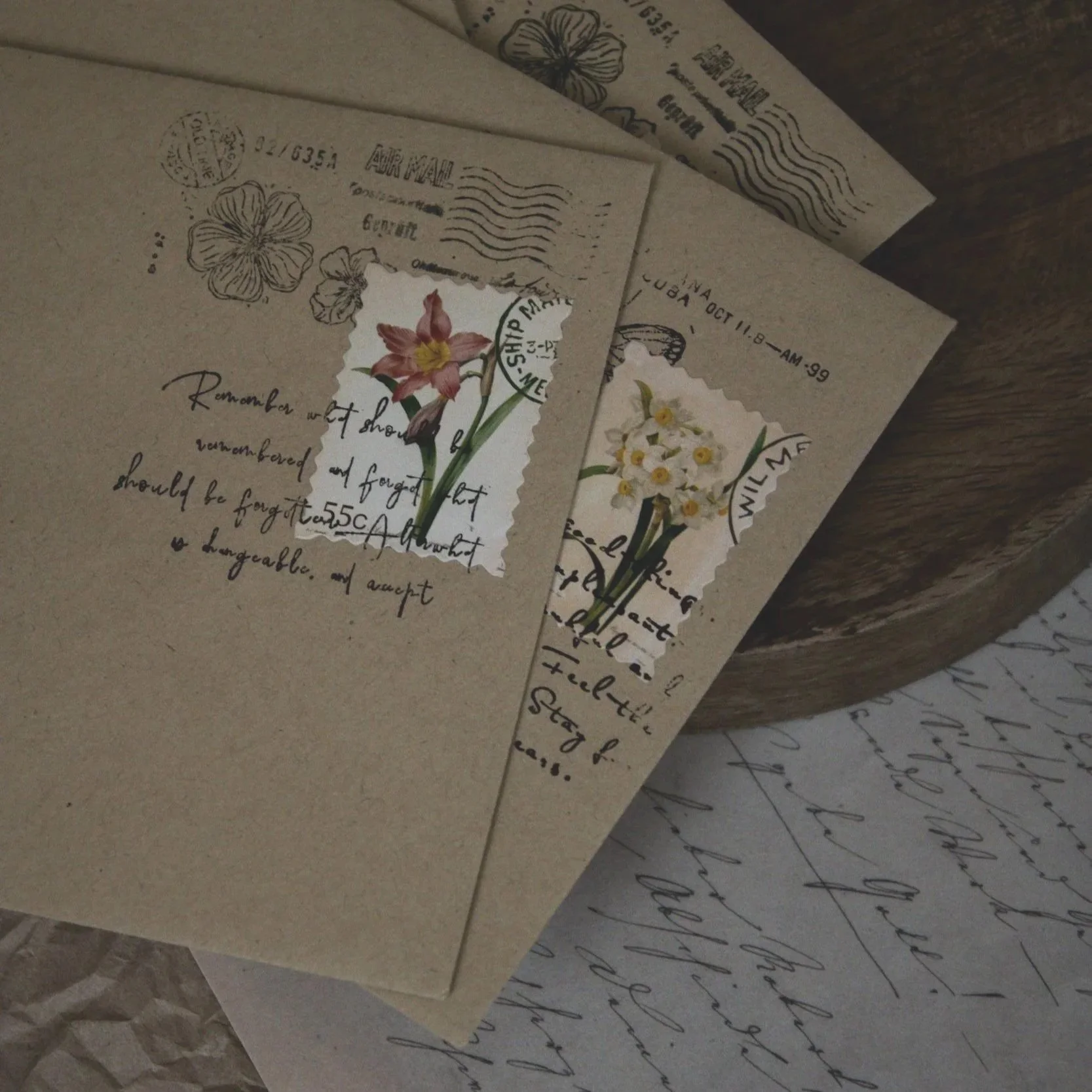
The Kept Letters
One conversation per letter. One completed document per person they most need to reach. Their wisdom, their witness, their voice on the page, written in as many ways as their life requires.

The Kept Film
A completed documentary film of a person in their home, telling the truth about their life. Not a home video — a portrait. Something made to be watched by the people who weren't there.
Looking for all of it at once?
The Heirloom Gathering is a single, all encompassing guided session in your loved one's home. It is part farewell, part preservation, and part celebration, where the objects are distributed, the stories are told, and everything is kept.
Not sure what you want to say yet?
Memory Keeping starts with a conversation, but Legacy Coaching is what happens when the conversation itself is the work. If your loved one has things they want to be known and remembered for, and haven't yet found the right way to say them, that's where to begin.
The right time is almost always sooner than it feels.
If you're thinking about this, that instinct is worth following. Reach out and we'll figure out together which service fits or whether the Heirloom Gathering is where to start.
Frequently Asked Questions
-
If you're the one whose story this is: A 2022 Ancestry survey found that 53% of Americans cannot name all four of their grandparents. About 1 in 7 don't know what any of their grandparents did for a living. 21% don't know where even one grandparent was born. Those aren't strangers. Those are people whose choices, losses, and ordinary days shaped the family that exists right now — and they're already gone from living memory, one generation out.
Research from Emory University found that teenagers who knew more stories about their extended family showed higher levels of emotional well-being and stronger identity development than those who didn't — even when controlling for how well the family functioned overall. The stories themselves did that. Not the relationships. The stories.
You are still here. The people who will want to know you — who will wonder what you were like, what you believed, what you survived, what made you laugh — haven't all been born yet. This is the window.
If you're the one trying to preserve it: The regret tends to arrive after. Most people don't realize what they didn't ask until there's no one left to ask. What was she like before she was a mother? What did he give up? What was the thing she was most proud of that she never mentioned?
Those questions don't go away. They just go unanswered.
The best time to do this was before the move, before the diagnosis, before the decline. The second best time is now, while the person is still in their home, still surrounded by the objects and rooms that hold the memories, still able to tell you themselves.
-
If you're the one whose story this is: Both, but you first. The research on life review — the structured process of reflecting on and narrating your own history — consistently shows reduced depressive symptoms and improved life satisfaction in older adults. A systematic review published in Frontiers in Psychiatry found significant psychological benefit from reminiscence-based work among cognitively intact older adults. A meta-analysis in the International Journal of Geriatric Psychiatry found it effectively reduces depressive symptoms by helping people reflect on positive experiences and a life meaningfully lived.
This isn't just about leaving something behind. It's about what happens to you in the process of doing it.
If you're the one trying to preserve it: You are also doing this for yourself, even if it doesn't feel that way. The 66% of Americans who told Ancestry they want to know more about their family history — they're not all young people curious about genealogy. Many of them are adults who already lost someone and are living with what didn't get asked.
Giving your parent or grandparent the chance to tell their story is also giving yourself something: the thing you'll reach for when they're gone, the thing you'll put on when you want to hear their voice, the thing you'll hand to your own children when they ask who that person was.
-
If you're the one whose story this is: Before the move, if a move is coming. The home itself is part of the story. The kitchen where something happened. The chair someone always sat in. The photographs on the wall that no one has ever formally explained. Once those things are dispersed or donated or left behind, the context they carry goes with them.
But a move doesn't have to be imminent for this to matter. The right time is when you're still in good health, still sharp, still able to tell the stories the way you want them told — not the way someone else pieces them together later from what's left.
If you're the one trying to preserve it: Earlier than you think. Families tend to wait for a crisis to create urgency, and then the crisis is all anyone can manage. The conversation that should have happened over dinner gets skipped for years, and then one day the window is smaller or the person is different or the home is already sold.
If your parent or grandparent is healthy enough to have this conversation, that is the right time. Not because something is wrong. Because nothing is yet.
-
If you're the one whose story this is: This is one of the most common things I hear, and it's almost never true. What's actually happening is that nobody has asked the right questions. Most people don't narrate their own lives to themselves. They don't think in terms of stories — they think in terms of what happened, stripped of the meaning they've attached to it over decades.
The interview session isn't a performance. It's a conversation with someone who is genuinely curious and knows how to ask. The stories surface. They always do. And almost everyone, by the end, is surprised by what they said.
If you're the one trying to preserve it: You don't have to convince them it matters. That's not your job going in, and pressure usually makes it worse. What helps is framing it as something you want — not something they owe the family, but something you're asking for yourself.
"I want to know this. I want to have it." That lands differently than "we should do this before it's too late."
If genuine resistance remains, start smaller. One question. One afternoon. One object with a story attached to it. The door doesn't have to open all the way on the first try.
-
If you're the one whose story this is: A physical object, a document, or a film — depending on which service you choose. Something finished. Something that exists outside of memory and outside of anyone's head. Something that can be held, read, watched, and passed to the next person.
The Kept Letter is a completed written document: one hour of conversation, shaped into a letter addressed to whoever you want to receive it. The Kept Book is a completed physical scrapbook, assembled from what we curate together in your home. The Kept Film is a finished film — you, in your space, telling the stories that belong to you.
These aren't drafts. They aren't raw recordings sitting in a folder that no one will ever organize. They're done.
If you're the one trying to preserve it: Something you can give. A letter that goes to the person it was written for, with their name on it, from someone who loved them enough to make sure it existed. A book that sits on a shelf and gets opened. A film that plays at a family gathering twenty years from now for people who weren't there.
The thing that most families don't have — a record of who this person actually was, in their own words, before everything changed — is the thing you walk away with.
You can find links to each service in the description below, or schedule a call to talk through which one fits your situation. There's no pressure and no commitment. Just a conversation.
-
Ancestry survey (2022) — 53% of Americans cannot name all four grandparents; 66% want to learn more about their family history; 51% want stories about what their ancestors' lives were actually like. https://www.ancestry.com/corporate/newsroom/press-releases/new-survey-ancestry-shows-more-half-americans-cant-name-all-four
Fivush, R., Duke, M., & Bohanek, J. (2010). "Do You Know? The power of family history in adolescent identity and well-being." Emory University / Journal of Family Life. Teens who knew more family stories showed higher emotional well-being and stronger identity development, controlling for general family functioning. https://ncph.org/wp-content/uploads/2013/12/The-power-of-family-history-in-adolescent-identity.pdf
Zhao, X. et al. (2023). "Effects of reminiscence therapy on psychological outcome among older adults without obvious cognitive impairment: A systematic review and meta-analysis." Frontiers in Psychiatry. Significant reduction in depressive symptoms and improvement in life satisfaction following reminiscence-based intervention. https://pmc.ncbi.nlm.nih.gov/articles/PMC10098219/
Meta-analysis, International Journal of Geriatric Psychiatry — reminiscence therapy effectively reduces depressive symptoms in older adults by helping them reflect on positive life experiences and achievements. (Cited in: https://sweetinstitute.com/the-benefits-of-reminiscence-therapy-enhancing-well-being-through-reflection/)