

HOME STAGING
Staging the Family Home

Most staging advice tells you to remove everything personal. Pack away the photos. Clear the shelves. Depersonalize.
That advice was written for a different kind of seller.
When a family is preparing a long-loved home for sale, the instinct to strip it bare can feel like the first in a long series of losses. And honestly, it misses something important about what actually makes a buyer fall in love with a house.
Buyers aren't just measuring square footage. They're feeling for something harder to name: Does this place have life in it? Could my story unfold here? What they're sensing, even when they can't articulate it, is the emotional weight of a home that has actually been lived in. That weight is not a liability. In the hands of someone who knows what they're doing, it's an asset.
That's the foundation of how I approach staging.

OUR PHILOSOPHY
A house is never empty of story. Even a vacant home, stripped of furniture, freshly painted, and staged for sale carries the weight of every life that moved through it. Someone lived here. Someone loved here. Someone came home here, over and over, every day.
When a buyer walks through a front door, they're not just calculating square footage. They're feeling for something they often can't name. Does this place feel like me? Could my life unfold here? What they're sensing and searching for is the story of the house. The emotional residue of every ordinary day that was lived within those walls. That residue is what makes a house feel alive or dead to a buyer in the first thirty seconds.
What they're buying is continuity. They want to step into an ongoing story and begin their next chapter. Which means the story that came before is not as irrelevant to the sale as people think. A house with no felt history is harder to inhabit imaginatively. It gives the buyer’s imagination nothing to work with.
This is actually why staging works when it works: not because it makes the house look prettier, but because it makes the story legible. It helps buyers feel the life that's possible here.
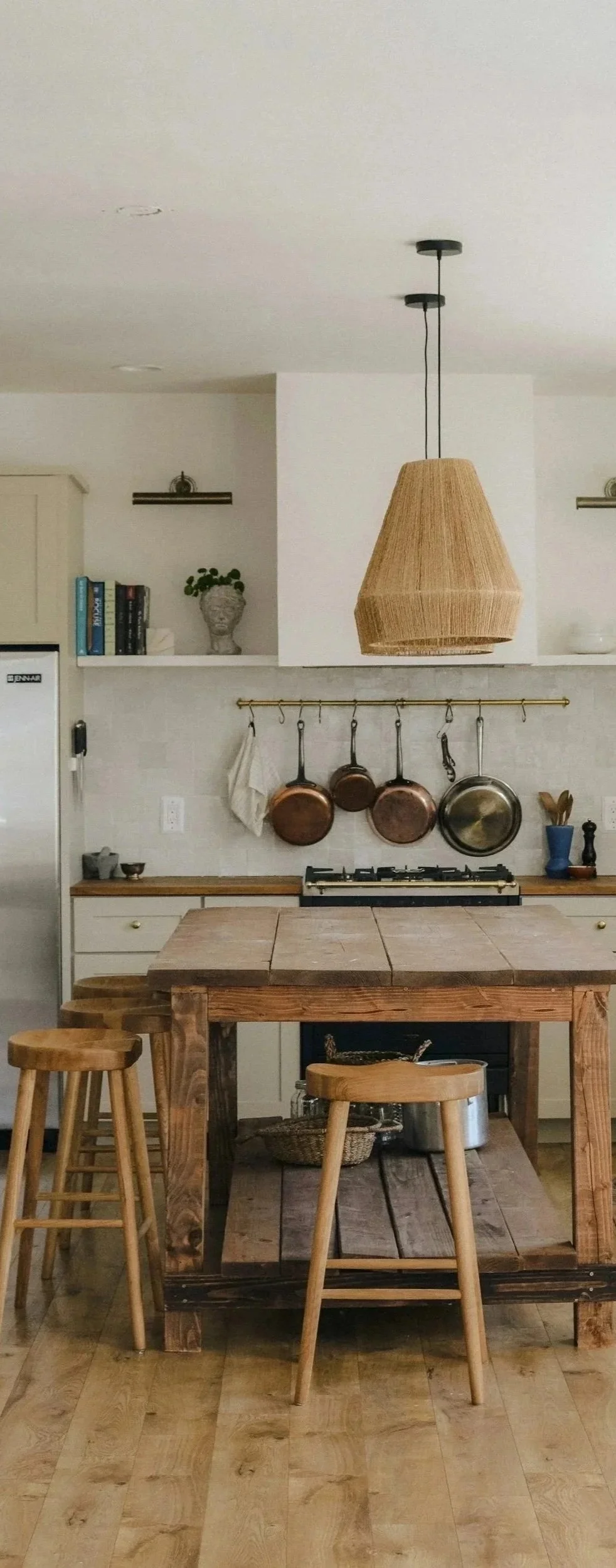
WHAT THIS ACTUALLY LOOKS LIKE
I work almost entirely with what's already in the home.
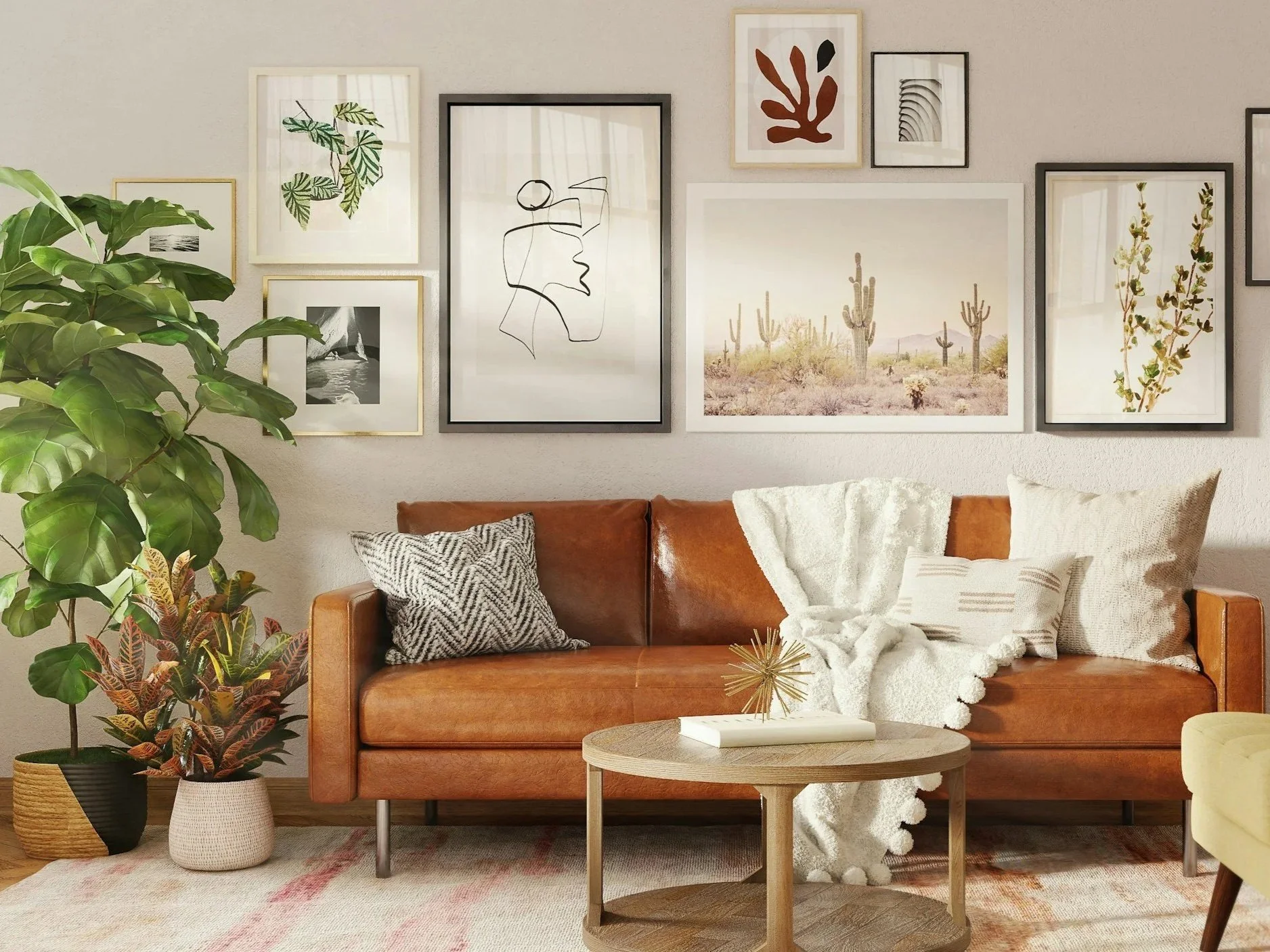
Forty years of furnishings, collected objects, worn-in furniture, and accumulated life are not problems to be solved. They're material to work with. My job is to help a buyer's eye move through the space, to let the rooms breathe, and to make the story of this home legible without erasing it.
For occupied homes, that means editing, arranging, and styling with what's there. We talk about what stays, what moves to another room, what gets packed early. Nothing leaves without a conversation, and no decision gets rushed.
For vacant homes, I coordinate with trusted staging professionals who share this approach. The goal is always warmth and continuity, not a showroom that could be anywhere.
The result is a home that feels genuinely lived in and genuinely ready, which is a harder balance to strike than most staging achieves, and a more honest one.
Why It Matters for Senior Sellers
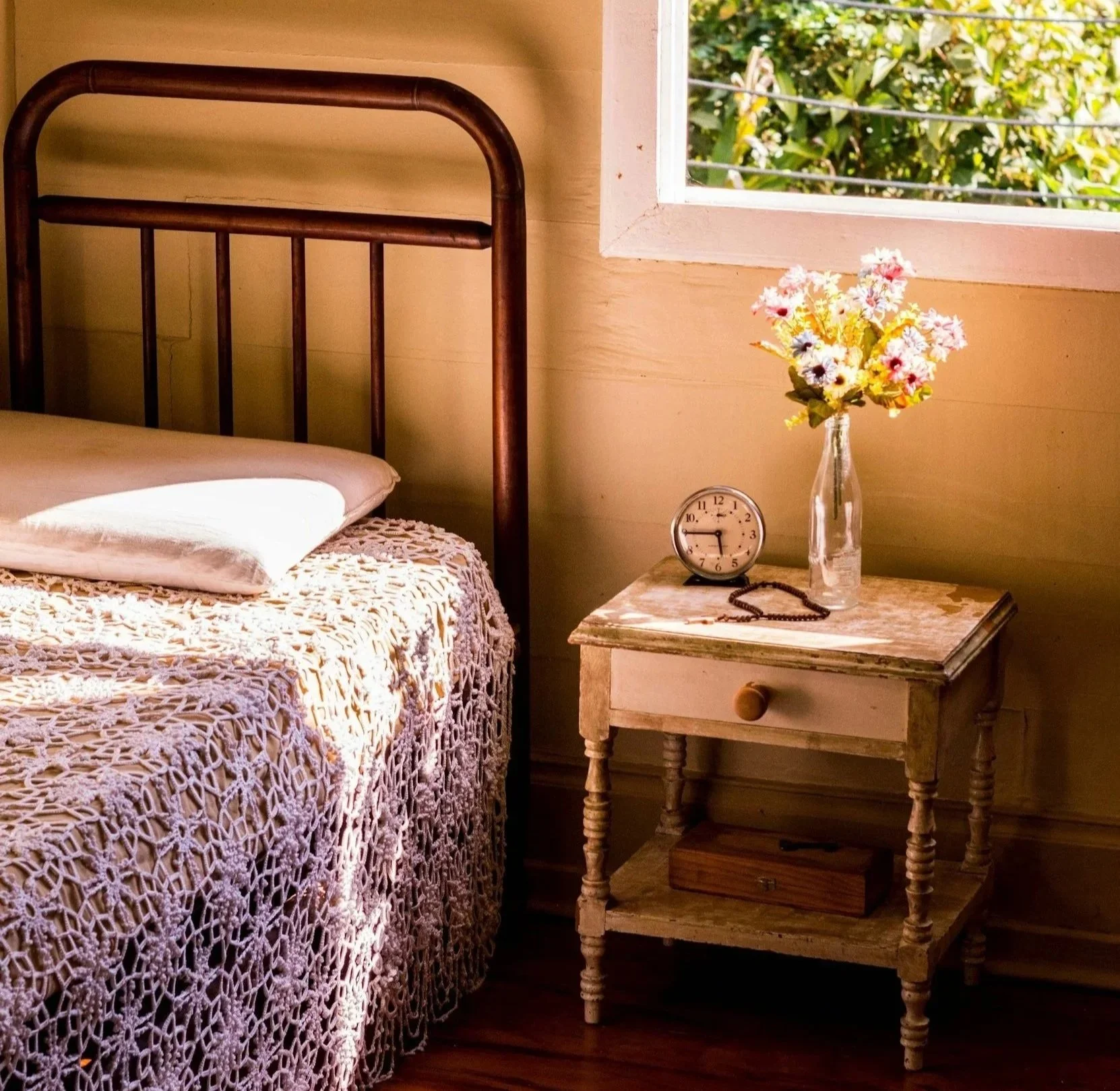
Standard staging often asks sellers to make their home look like it belongs to someone else. For a senior seller, or for an adult child helping a parent sell the family home, that request lands differently. It can feel like the sale is asking you to disappear before you've even left.
I don't ask that.
What I ask instead is: what does this home do best? What has it always been good at? Where does the light come in that nobody ever talks about? What's the first thing people notice when they walk through the door?
Those are the things we lead with.
A home that has been loved for decades has staging built into it, if you know how to see it. My job is to help you see it, and then to make sure buyers see it too.
Staging as Part of the Transition
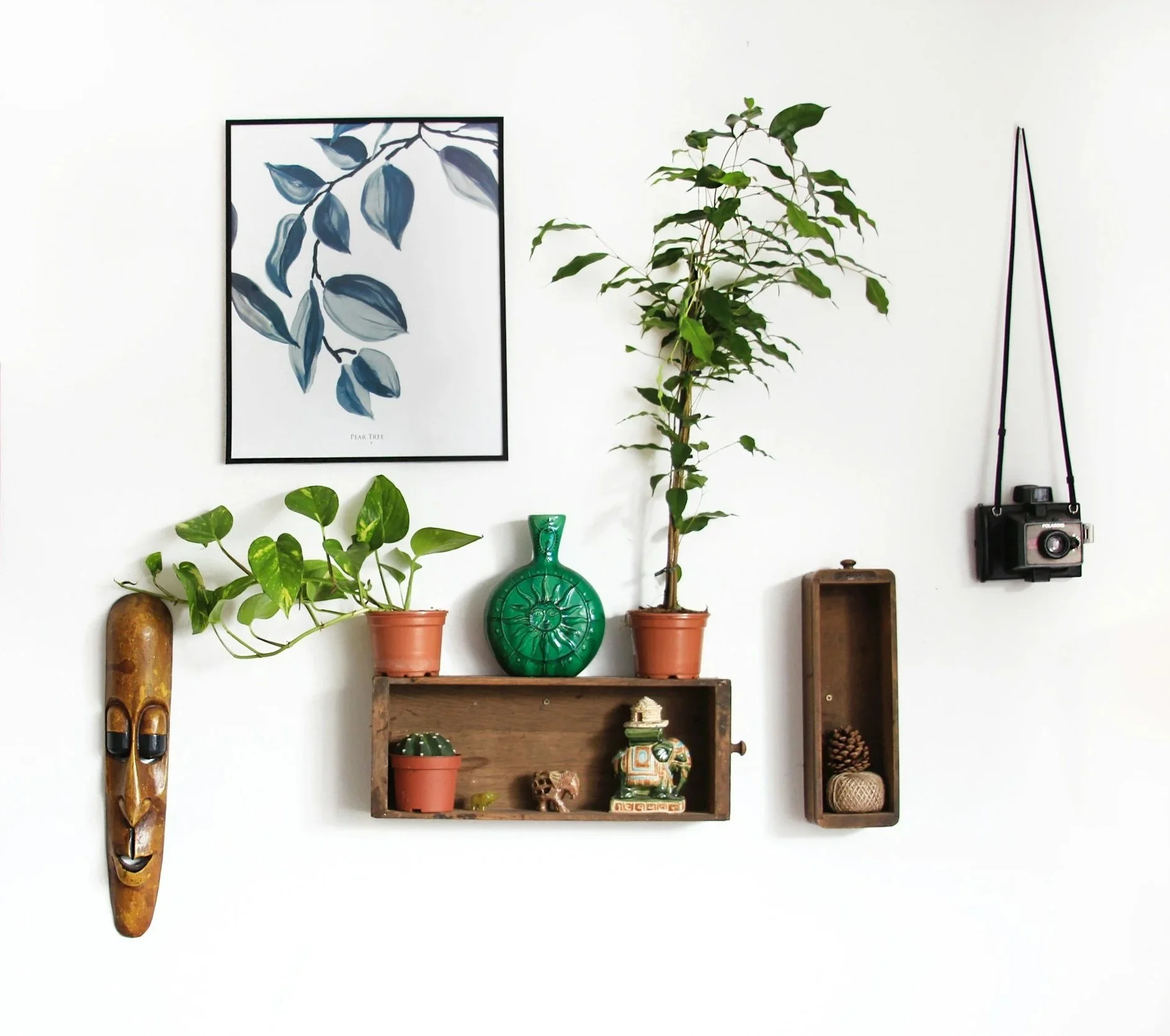
Because staging happens within The Slower Move's full transition process, it doesn't exist in isolation from everything else that's happening.
The decluttering work informs what stays. The legacy conversations shape what gets honored in the presentation. The packing process and the staging process move together, rather than working against each other.
You're not being asked to do three separate things at once. It's one continuous process, with one person who knows the whole story.
That's the difference.
A Note on What I Won't Do

I won't tell you to pack away every photograph and make your home look like nobody lives there. I won't bring in furniture that has nothing to do with your life in order to appeal to an abstract buyer. I won't treat the home your family has lived in for forty years like a product to be optimized.
What I will do is help you present it honestly, beautifully, and in a way that finds the right buyer: someone who can feel the life this home has held and wants to step into the next chapter of it.
Frequently Asked Questions
-
Key Benefits:
1. Faster Sales
Staged homes sell, on average, 73% faster than unstaged ones.
2. Higher Offers
Nearly 30% of agents report that staging increases sale price by 1–10%.
3. Enhanced Buyer Perception
83% of buyers' agents say staging helps buyers visualize themselves living in the home.
4. Strong Return on Investment (ROI)
The average ROI for home staging can exceed 550%, with some sellers seeing returns over 2,000%.
Whether your home is occupied or empty, staging transforms it into a space that buyers can emotionally connect with, helping it sell faster and for more money. A small investment in staging can pay off in big ways.
-
The short answer? Definitely! Whether your home is occupied or vacant.
In today’s market, most buyers start their search online. They scroll through listings, photos, and virtual tours long before stepping foot inside. Staging helps your home stand out online, capture attention, and encourage buyers to schedule a showing.
Occupied Homes
Staging an occupied home helps buyers see the full potential of each space. It’s important to remove personal items (photos, collections, and anything that tells your story) so buyers aren’t walking through your life, wondering about who you are, but can instead envision themselves living there. By decluttering, rearranging furniture, and adding thoughtful, neutral décor, you highlight the home’s best features and make rooms feel spacious, functional, and inviting.
Example: A homeowner had their 3-bedroom house listed for 90 days with few offers. After staging the living room, kitchen, and master bedroom, the home sold in 30 days, receiving 4% above list price—all while helping buyers immediately picture themselves living there.
Staged occupied homes sell faster and often for higher prices. 83% of buyers’ agents say staging helps buyers emotionally connect with a property.
Vacant Homes
Vacant homes can feel cold or empty in photos and in-person showings, making it harder for buyers to imagine themselves living there. Staging transforms empty spaces into inviting, aspirational homes that appeal online and in person.
Example: A vacant 3-bedroom house had been listed for 120 days with minimal interest. After staging the key rooms and enhancing photography, the home sold in 28 days with multiple offers, netting $10,000 above asking price.
Staged vacant homes sell up to 73% faster than unstaged vacant homes. Staging increases the likelihood that buyers will schedule a visit and make competitive offers.
Why Our Staging Makes a Difference
My approach goes beyond filling empty rooms. I enhance the buyer’s online and in-person experience, creating a sense of warmth, flow, and lifestyle. Every room is thoughtfully designed to showcase the home’s potential and help buyers envision themselves living there, making it more likely they’ll visit and submit strong offers.
Whether occupied or vacant, staging is a powerful investment. It attracts buyers online, helps them emotionally connect with your home, reduces time on market, and often results in higher offers. Staging isn’t just décor - it’s a strategic tool to help your home sell faster and for more money.
Sources:
National Association of Realtors (NAR). 2023 Profile of Home Staging.
https://www.nar.realtor/research-and-statistics/research-reports/profile-of-home-stagingHome Staging Resource (HSR). 2022 Home Staging Industry Statistics Report.
https://homestagingresource.com/home-staging-statisticsRealtor.com. Why Home Staging Is Worth the Money.
https://www.realtor.com/advice/sell/why-staging-your-home-is-worth-the-moneyZillow Research. The Impact of Home Staging on Sales Price and Time on Market.
https://www.zillow.com/research
-
Because a beautiful design doesn’t have to harm the planet. At Sustainable Staging Co., we believe homes should feel good in every sense — emotionally, aesthetically, and environmentally. Sustainable staging reduces waste, supports local artisans, and creates an authentic, story-filled atmosphere that buyers can feel the moment they walk in.
Furniture waste is enormous.
Each year, the U.S. sends over 12 million tons of furniture and furnishings to landfills — most of it from short-term use or fast furniture that isn’t built to last. By sourcing secondhand and reusing pieces, we help slow that cycle of waste.
The furniture industry is carbon-heavy.
Manufacturing and shipping new furnishings contribute significantly to greenhouse gas emissions and deforestation. Local sourcing and reuse dramatically cut that footprint.
Staging works — sustainably or not.
According to the National Association of Realtors, 81% of buyers’ agents say staging makes it easier for clients to visualize a property as their future home, and staged homes can sell 5–10% higher on average. Sustainable staging keeps those benefits while aligning with modern values.
At Sustainable Staging Co., every piece we use has a purpose and a past. Our approach blends beauty, ethics, and community care:
We source locally.
Many of our furnishings come from small makers, artisans, consignment shops, and thrift stores. Each piece adds local character and supports independent businesses in our community.
We advertise our collaborators.
Every home we stage includes a spotlight on the local artists, craftspeople, and businesses featured in that space — turning each project into a living gallery of community talent.
We circulate furniture back into the community.
When a staging cycle ends, items are either reused in future projects, resold through local vintage shops, or donated to charities that help families furnish their own homes.
We use what you already have. Whenever possible, we style and elevate your existing furniture to save both resources and money, adding curated touches to transform the feel without unnecessary waste.
Why clients love this approach:
Buyers feel the difference. Sustainable staging creates warmth and depth — it feels real, not artificial or “set up.”
Sellers feel proud. You’re not only selling your home but contributing to a more conscious way of living.
Communities thrive. Local artists gain exposure, small businesses gain customers, and quality items keep circulating rather than ending up in a landfill.
Bottom line:
Staging your home with Sustainable Staging Co. isn’t just about selling a house — it’s about honoring its story, uplifting the community, and leaving the world a little more beautiful than we found it.
Sources:
U.S. Environmental Protection Agency (EPA).Advancing Sustainable Materials Management: 2018 Fact Sheet. Washington, DC: EPA, 2020.
https://www.epa.gov/facts-and-figures-about-materials-waste-and-recyclingU.S. Environmental Protection Agency (EPA).Sustainable Management of Furniture and Furnishings.
https://www.epa.gov/smm/sustainable-management-furniture-and-furnishingsThe Guardian. “Fast furniture: The industry’s dirty secret.” The Guardian, July 2020.
https://www.theguardian.com/environment/2020/jul/29/fast-furniture-environmental-impactWorld Economic Forum. “Why fast furniture is the next environmental headache.” WEF, 2022.
https://www.weforum.org/agendaNational Association of Realtors (NAR).2023 Profile of Home Staging.
https://www.nar.realtor/research-and-statistics/research-reports/profile-of-home-staging
-
Staging your home is an investment that often pays for itself. Staged homes sell faster and for higher prices. Costs vary depending on the size of your home, the level of staging needed, and the package you choose.
Typical Costs by Home Size (with Examples)
Small Homes or Condos (up to 1,200 sq ft): $800–$1,500
Example: A 1-bedroom condo staged with furniture for the living room and bedroom cost $1,000, sold in 21 days, and received multiple offers, selling for $7,000 above asking price.Medium Homes (1,200–2,500 sq ft): $1,500–$3,000
Example: A 3-bedroom house staged with furniture in the living areas, kitchen, and master bedroom cost $2,500, sold in 30 days, and fetched $12,000 above list price.Large Homes (2,500+ sq ft): $3,000–$6,000+
Example: A 5-bedroom home with full staging, including outdoor spaces, cost $5,500, sold in 45 days, and received $35,000 above the anticipated market value, achieving a 536% ROI.
Flexible Payment Options
Flat Fee: Pay a fixed rate upfront or in installments, tailored to your home size and staging package.
Percentage of Sale Price: Some sellers prefer paying 1–3% of the anticipated sale price, which aligns staging costs with the potential value it brings.
Partial Staging Packages: Focus on high-impact areas such as the living room, kitchen, and master bedroom, which can reduce costs while still boosting buyer appeal.
Home staging helps buyers emotionally connect with your home, often resulting in faster sales and higher offers. Whether you choose a full package, partial staging, a flat fee, or a percentage-of-sale plan, there’s a solution to fit your home and budget.
See our Payment Options page for more details.
-
Most projects take one to three days from installation to completion, depending on the size of your home and the level of service selected.
Occupied homes are typically completed in a single day, while larger or multi-room projects may require additional time for furniture delivery and styling.
-
Not at all!
We specialize in occupied home staging, which means we work with your existing furniture and layer in curated décor to enhance flow and presentation.
We’ll simply ask that personal items, family photos, and valuables be packed away so buyers can imagine themselves in the space.
-
Our standard rental term covers 30 days from the installation date.
If your home remains on the market beyond that time, you can easily extend your rental period at the monthly rate listed in your proposal. We’ll coordinate the extension before the initial term expires so your home continues to look its best.
-
Ideally, you’ll book your staging at least two to three weeks before your target listing date.
This allows time for your walkthrough, proposal, and design planning — ensuring we have everything ready for a smooth installation.
-
To protect the integrity of the design, we ask that staged furniture and décor remain in place until your home sells or the rental term ends.
If something needs to be moved for photography or maintenance, please contact us so we can assist and maintain the overall aesthetic.
-
At this time, we focus on occupied home staging — helping homeowners make the most of their existing space and furnishings.
However, vacant home staging can be arranged by special request with 100% payment due upfront.
We plan to expand our full vacant staging services in the near future!
Please see Our Services page for more details.
-
Once your sale closes, we’ll schedule a convenient de-staging and pickup date.
Our team will remove all rented furnishings and décor with care, leaving your home clean and ready for its next chapter.
Please see our Pricing & Process page for more details.