
What We Bring Into a Home, and Why It Matters
When we talk about staging a home for sale, most people think about furniture placement and neutral colors. We think about something else first: what is this home's story, and how do we honor it on the way out?
A family may have lived in a house for thirty, forty, sometimes fifty years. The rooms hold the weight of that. Staging it well doesn't mean erasing that weight. It means presenting the space with enough care and intention that a buyer can feel what it would be like to belong there, while the family that's leaving can feel that the home was treated with respect.
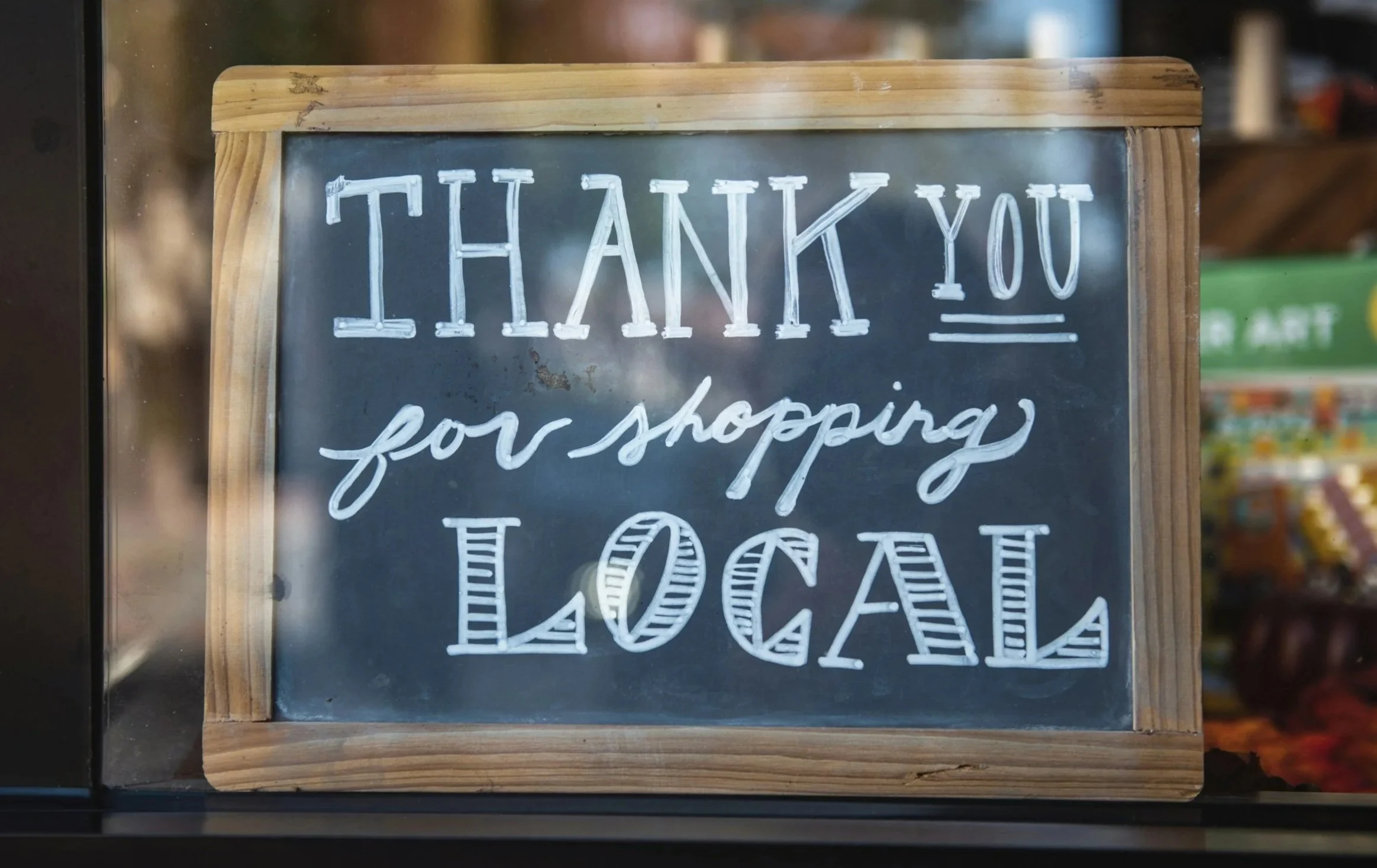
That's why we source locally whenever we can.
Every Piece Carries Something
When we walk through a vintage shop in Concord or stop at a weekend market in the Lakes Region, we're not just looking for props. We're looking for pieces that feel like they belong in New Hampshire, because they do.
Locally made and secondhand pieces carry something that catalog furniture doesn't. The hands that shaped the pottery, the craftsperson who restored the dresser, the textile artist whose work has been part of this community for years; their care becomes part of what a buyer experiences when they walk through the door. Buyers feel this even when they can't name it. A room filled with things that have lived real lives feels different from a room that was assembled overnight. It feels warm. It feels authentic. It feels like somewhere a person could actually live.
A home staged with that kind of intention doesn't just photograph well. It breathes.
Keeping the Circle Close
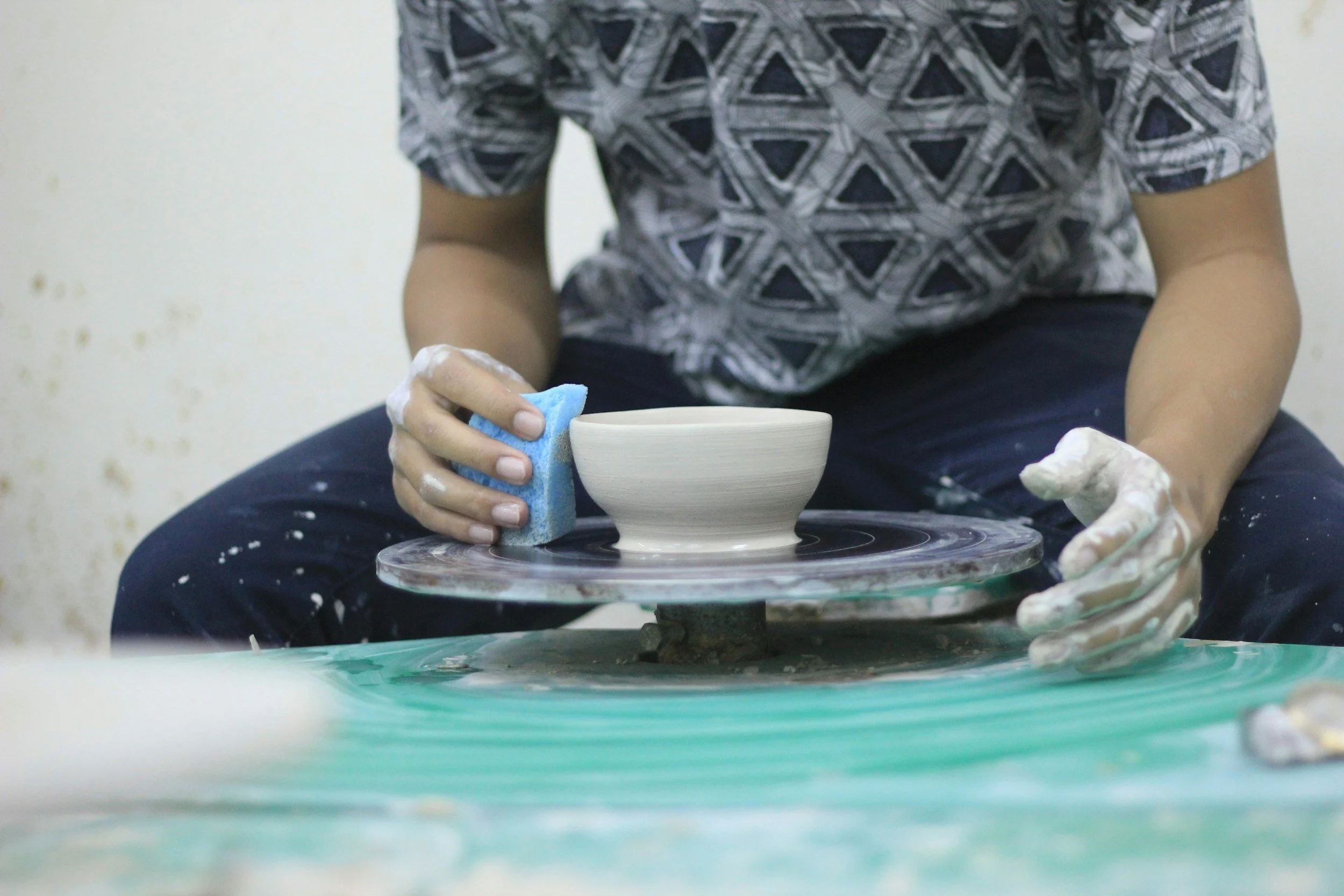
Every dollar spent locally stays here. It doesn't go to a big box distributor or a national fulfillment center. It goes to the potter down the road, the vintage shop owner who has been part of this town for twenty years, the textile artist whose craft has passed through generations of the same family.
That ceramic vase helps pay for the next kiln firing. That restored mid-century dresser keeps a beloved local business open another season. That woven throw supports a family whose livelihood depends on people choosing handmade over mass-produced.
These are small decisions that add up to something larger: a community that can sustain its own creative work, its own small businesses, its own economic resilience. When we source with that awareness, staging becomes something more than logistics. It becomes a quiet contribution to the place we're all trying to keep alive.
Design That Does Good
There's a practical dimension too. Sourcing locally means less shipping, less packaging, and less manufacturing of new goods that will end up in a landfill after a single use. It means giving pre-loved items a new purpose rather than discarding them. It means a smaller ecological footprint on every project.
A reclaimed wood coffee table carries the marks of its previous life alongside the skill of the person who restored it. A hand-thrown ceramic bowl brings texture and warmth to a kitchen that might otherwise feel sterile and staged. These sensory details create the kind of emotional resonance that makes a buyer linger in a room rather than move through it quickly.
Sustainability and beauty are not in tension. The more grounded a space feels in real materials and real craftsmanship, the more beautiful it becomes. That's not a design philosophy. It's just what we've observed, consistently, in the homes we've worked in.
Homes with a Sense of Place
A home filled with pieces sourced from its own community feels rooted. It feels like it belongs exactly where it stands, which matters especially for families navigating a senior housing transition, where the home itself often carries decades of meaning and identity.
A painting of the local landscape. A cutting board made from a fallen New Hampshire maple. A vintage rug found at a market in the next town over. These pieces don't just decorate. They tell a story about where the home is and who has loved it. That story doesn't disappear when the family moves. It continues, in a different form, with the people who come next.
Buyers respond to this even when they can't articulate it. A space that feels connected to its place feels welcoming in a way that is hard to manufacture and impossible to fake.
The Invisible Weight of Small Choices
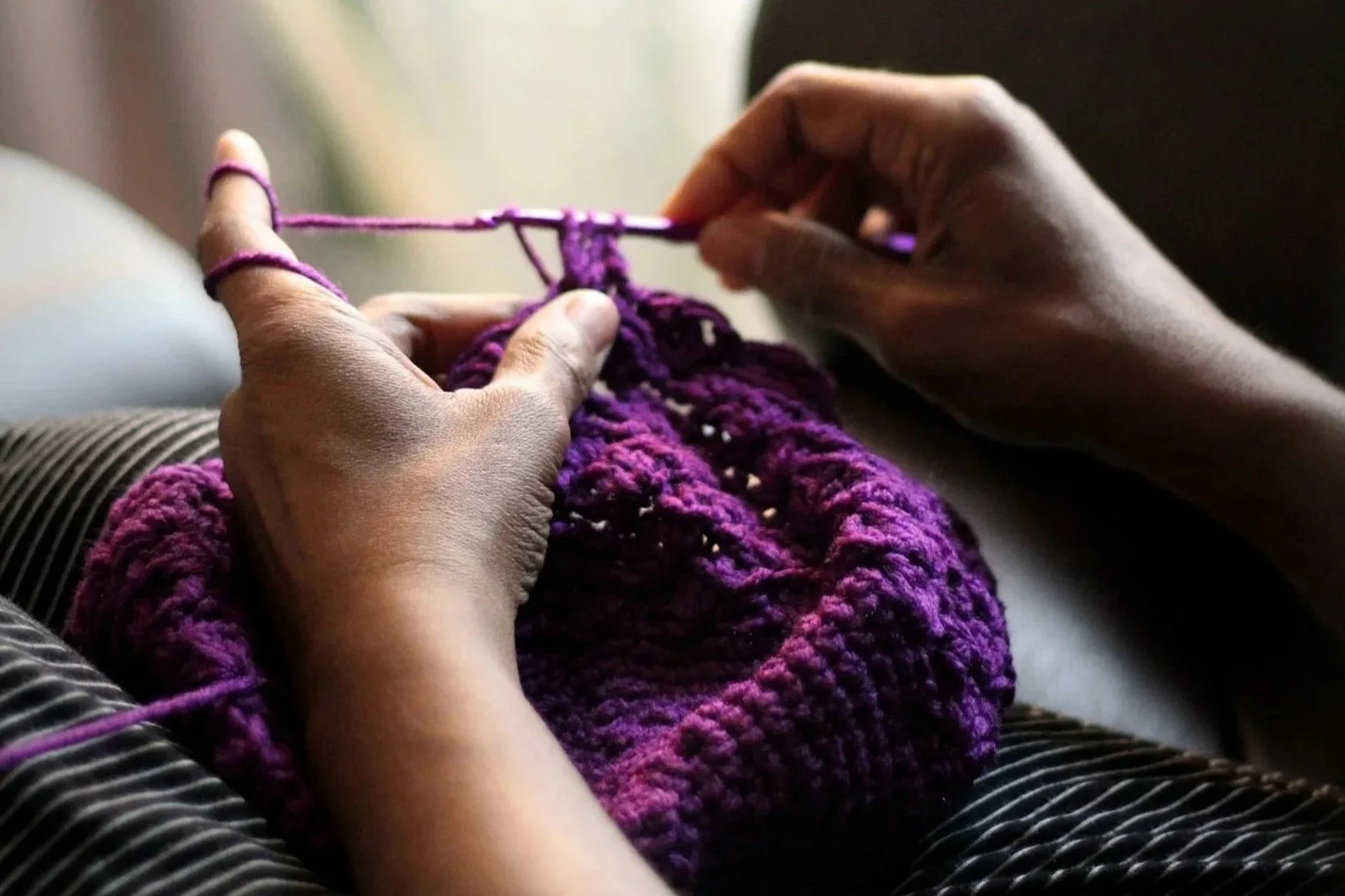
Every sourcing decision sends a signal. When we choose local, we are telling the artisan, the shop owner, the small market vendor: your work matters. Your presence in this community matters. We see you.
That signal ripples. The artisan keeps creating. The shop stays open. The market returns next season. These are small victories that collectively build the kind of community that makes a place worth living in, and worth staying in, as people age.
In return, the homes we stage carry that energy. They become spaces where buyers don't just see square footage and finishes. They feel the texture of a community that takes care of its own.
Slowing Down to Choose Well
Local sourcing also asks us to slow down, which is something we believe in generally. Instead of ordering staging inventory from a catalog, we spend an afternoon in a thrift store. We talk to a maker at their studio. We find the piece that's right rather than the piece that's fast.
That slower pace of choosing mirrors the slower pace we bring to the entire transition process. Nothing about a senior move should be rushed, not the conversations, not the decisions about what to keep, and not the way the home is presented when it's time to sell.
The imperfection in a handmade bowl, the grain in a reclaimed wood table, the patina on an old mirror; these details remind us that homes are living, evolving spaces. They don't need to be filled quickly. They need to be filled with things that mean something.
A Ripple of Belonging
When we stage a home this way, we're doing more than preparing it for market. We're honoring the life that was lived there, supporting the community it belongs to, and creating a space that a new family can genuinely imagine themselves inside of.
That's the work. Not the furniture placement, not the neutral palette, not the strategically placed greenery. The work is creating a space that feels like it could hold someone's life with dignity.
At The Slower Move, that belief shapes every project we take on. We source secondhand and local first, not because it's a marketing point, but because it's consistent with everything else we do: slowing down, paying attention, and treating every home as something worth caring about.
Because a home isn't just where a family lived. It's how they lived. And when it's time to move on, it deserves to be left beautifully.