


Whatever just happened, it wasn't the first thing, was it? It was just the first thing you couldn't ignore anymore.
Maybe your mom was found walking down the street at two in the morning by a neighbor who recognized her. Maybe your dad fell and was on the floor for three hours before anyone knew. Maybe it wasn't even that dramatic. A phone call that got a little confusing made you think: this is not who my parent was six months ago.
Here's what makes it harder: you've seen it coming. The expired food in the fridge. The envelopes spilling out of the mailbox. The slightly vague answers when you asked if everything was okay. You noticed. You told yourself it was probably fine.
But now it's not fine.
Before we get into the practical framework, I want to say this clearly: you're not behind. You're not a bad son or a bad daughter. The thing you didn't expect to happen already has, and you're still standing. That matters.
This is about the next thirty days. What needs to happen, in what order, and what most families do the hard way instead.
Why thirty days?
Thirty days is roughly the window you have before the situation starts making decisions for you. It's not a guarantee. It's a pattern. And the most important thing to understand about this window is that the housing search, the facility tours, the waiting lists, belong near the end of it, not the beginning.
Before any of that, you need legal ground, medical clarity, a real conversation with your parent, and a family that's working from the same information. Everything else flows from those four things.
Before you make a single phone call
Have one honest conversation with your parent. Not about logistics. About them. You're trying to understand three things: what they actually think is happening right now, what they're most afraid of, and what they'd want if they could have anything. You're not problem-solving in this conversation. You're listening. Write down what they say. You'll refer back to it more than you expect.
Week one: legal and medical ground
If your parent doesn't have a durable power of attorney and a healthcare proxy in place, those documents are your first priority. A durable power of attorney gives someone legal authority to make financial decisions if your parent can no longer do so. A healthcare proxy does the same for medical decisions. Without them, your options narrow significantly if your parent's capacity becomes a question.
New Hampshire Legal Assistance offers a free Legal Advice Line for adults 60 and older. The number is 1-888-353-9944. You can call and get real legal guidance on what documents exist, what's missing, and what your options are. That number is worth saving right now.
The medical conversation also belongs in week one. A direct conversation with your parent's primary care doctor about what you're seeing, what the diagnosis picture looks like, and what the likely trajectory is. You need that information before you can make good decisions about anything else.
Also this week: do a basic safety walk-through of the home. Are there fall hazards? Is the stove being used safely? Are medications being managed? Is food being bought and eaten? You're not diagnosing anything. You're building a picture of what daily life actually looks like, because that picture will inform every conversation you have in the weeks ahead.
Week two: understanding care options and getting the family aligned
This is when you call the New Hampshire Aging and Disability Resource Center. The statewide number is 1-866-634-9412. There's also a Merrimack County line at 603-228-6625. These calls are free with no eligibility requirement, and what they offer is called options counseling: a real conversation with a trained specialist who maps out what services and supports exist in New Hampshire for your specific situation. In-home care, Medicaid, long-term care options, financial assistance programs. Go in with specific questions. What's available in this particular town or county? What are the real waitlist timelines? What does Medicaid actually cover, and what do people commonly assume it covers that it doesn't?
Granite State Independent Living, based in Concord, is also worth knowing about. They work with seniors and people with disabilities on home care, transition services, and independent living support across New Hampshire. Their number is 603-228-9680.
Week two is also when you stop having separate conversations with each sibling and start having one conversation together. Not to reach consensus, which may take longer than a week, but to get everyone working from the same information. Different siblings carry different amounts of guilt, different interpretations of what a parent wants, different risk tolerances. A shared conversation, even a messy one, is better than three or four people making decisions in three or four different directions. If your family is geographically scattered, a shared document or a dedicated group thread just for logistics can reduce the fragmentation that quietly turns into conflict later.
Week three: the house and the belongings
This house holds decades of someone's life. The things inside it aren't just things. A chair they sit in every morning. A trunk that looks like junk to everyone else. A photograph that would mean nothing to someone who didn't know the story. Treating this process like a cleanout is one of the fastest ways to make an already hard transition feel like a loss beyond the house itself.
What actually helps is walking through the space with your parent while they can still tell you what matters and why. Not with a box in your hands. With your attention on them. Let them tell you what they want to keep, what they want to pass on to someone specific, and what they're genuinely ready to let go of. The information from that conversation is irreplaceable, and it becomes impossible to recover once urgency takes over.
Go deeper in this conversation than you did in week one. Ask about the future, not just the past. What does a good daily life look like for them in a new place? What would make them feel at home? What do they need to have with them to feel like themselves?
If the house is going to be sold, this is also when you start thinking about what that will require, not by calling an agent yet, but by walking through with honest eyes. Deferred maintenance, what's in the attic, how long the belongings will realistically take to sort through. You want a realistic timeline. Optimistic timelines are one of the most consistent sources of unnecessary stress in this process.

Week four: building the actual plan
By week four, you have legal footing. You have a clearer picture of care needs. You have a sense of which housing options fit the situation. You've had real conversations with your parent, more than once. Now you can make decisions.
Define the decision and the deadline. Vague decisions stay unmade. Name what you're deciding and when it needs to be decided by.
Assign roles. Who is the point person for medical communication? Who is handling financial coordination? Who is working with the realtor when the time comes? Someone needs to own each lane for the next 30 to 90 days.
Build a communication rhythm. A weekly check-in among siblings, even 20 minutes, prevents the slow accumulation of misunderstanding that turns into a blowup months in. Put it on the calendar now.
Make a contingency plan. What happens if the situation changes faster than expected? Who gets called? Who makes the call? Families who've thought through this once, even briefly, handle the unexpected significantly better than those who haven't.
Plan for your parent's transition, not just their move. Where will they sleep the first night in a new place? Who will be there? What familiar things will be waiting for them before they arrive? What will the first week of a new routine look like? The logistics end on moving day. The transition doesn't, and the quality of that transition has a real impact on your parent's wellbeing in the months that follow.
And finally: what's the plan for you? This is hard. It's a passage, not a project. You need someone to talk to. You need to be honest with yourself about how you're doing. You don't have to carry this alone, and you shouldn't try.
You're not doing this alone
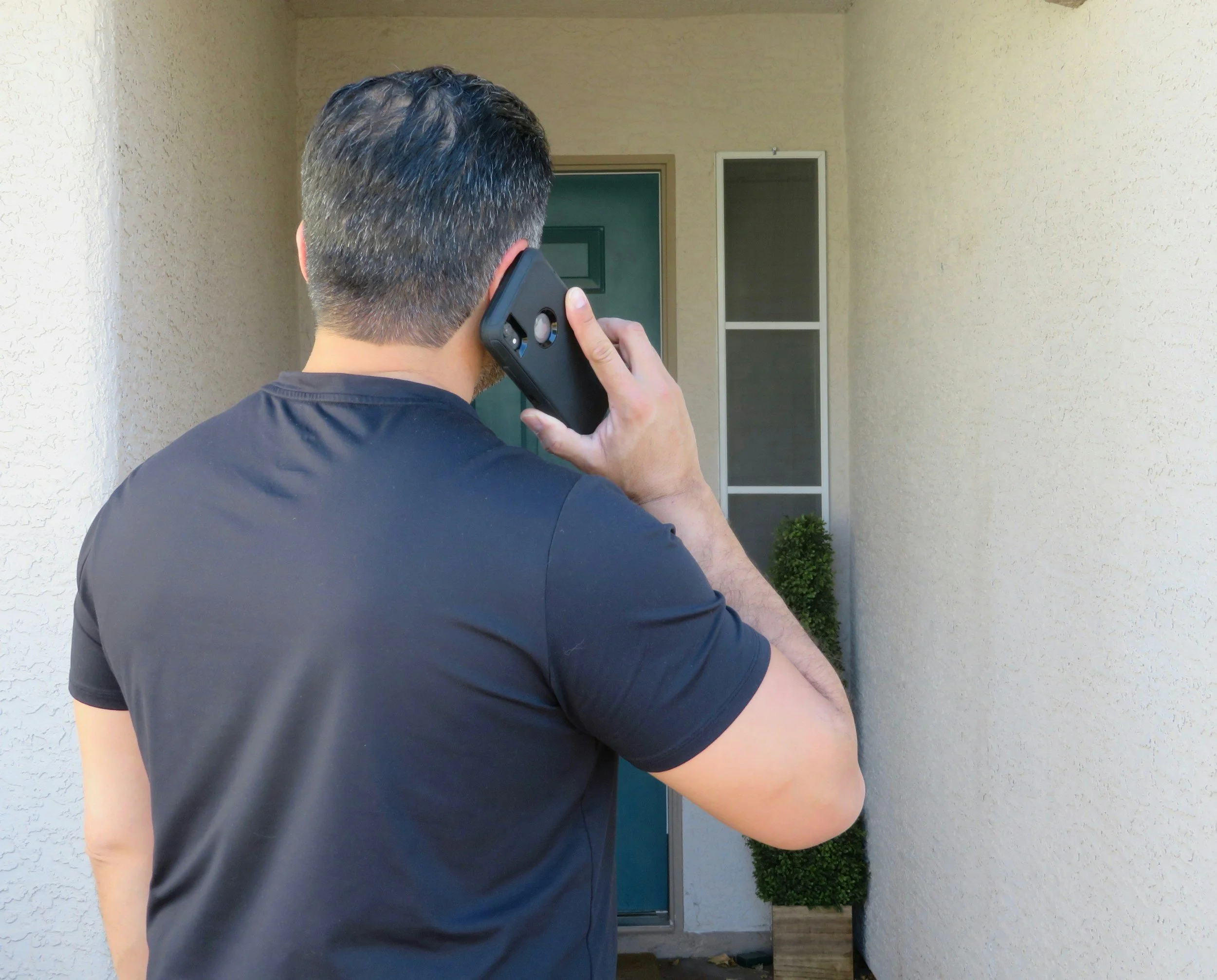
More New Hampshire families than you'd expect have been exactly where you are right now. They got the call. They found the parent on the floor. They sat in the driveway trying to figure out what to say when they walked inside. They got through it. And when they look back, most of them say the same thing: they wish they had asked for help sooner.
The resources above are in the description of the companion video to this post, which you can watch here. If you're a visual learner or you want to hear this walked through out loud, that video covers the same framework in about twelve minutes.
If you want to talk through your specific situation, I'm available for a free phone call. No sales pitch. Just a real conversation about where you are and what makes sense to do next. You can reach me at 603-573-6969 or schedule directly through this link.