

If you're somewhere in the territory of thinking about a move, whether you're the one who's been in the house for forty years or the adult child who's been watching that house age from a distance, this is the conversation most people put off longer than they should. Not because they don't know it's coming, but because it feels like a conversation nobody quite wants to be having yet.
Here's what I want to offer instead of the usual urgency: a clear look at what this decision actually costs. Both sides of it. Because there are two costs to a move later in life, and most people only ever calculate one of them.
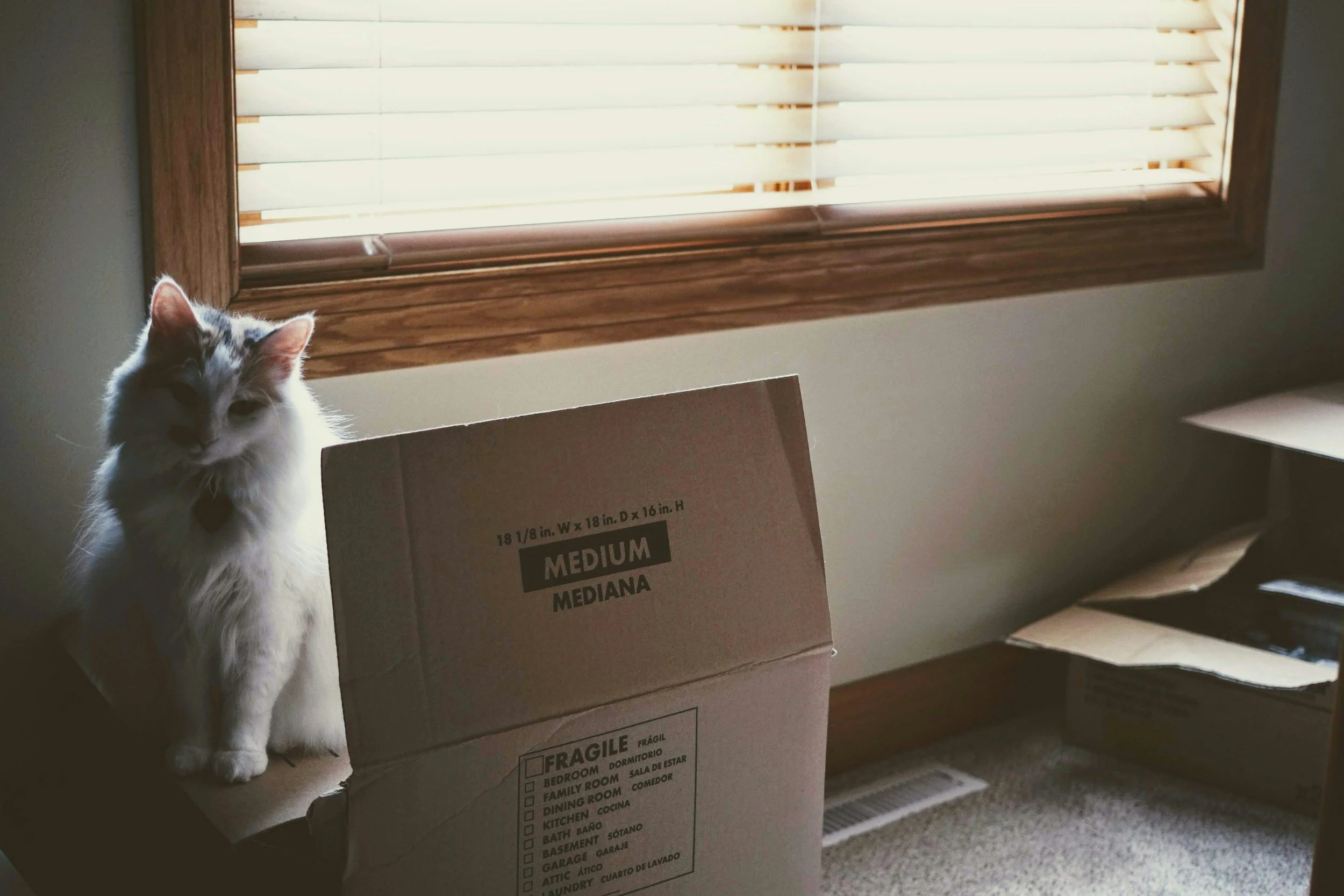
The cost that doesn't show up in any estimate
When you plan a move on your own timeline, you get to visit neighborhoods at noon on a Thursday and again on a Saturday evening. You get to say no to three places before you say yes to the right one. You get to sleep on it, change your mind, and sleep on it again. The decision belongs to you.
When the move gets planned for you, none of that is available. A health event, a fall, a moment of crisis compresses what should be a thoughtful process into a series of decisions made under pressure, by people who are stressed and scared and working with incomplete information. Someone else is driving the timeline, and you are along for the ride.
For older adults, that loss of control is often the hardest part of the whole transition. Not the packing. Not the leaving. The feeling that the decision stopped being yours somewhere along the way.
For adult children watching this happen, it's a different kind of hard. You're making consequential decisions about someone else's life, without enough time, without full information, and often while managing disagreement among siblings who are all doing their best and still not quite on the same page.
The families who planned ahead almost always say the same thing afterward: I'm so glad we did this when we did. Not because it was easy. Because it was theirs.
That option doesn't stay open indefinitely. And it closes faster than most people expect.
The cost of staying
Most people calculate the cost of moving and assume staying is the free alternative. It isn't. It's just a different set of costs, spread out over time and therefore easier to overlook.
If you're still in the house where your kids grew up, that house is aging right alongside you. The roof, the boiler, the plumbing, the heating system. Every year that passes is another year of wear on systems that were already aging when you last replaced them, and replacing them now costs significantly more than it did then.
Separate from the maintenance picture, there's the cost of living in a space that wasn't designed for this stage of life. The stairs you've learned to manage. The bathroom you've made work. The rooms you've stopped using. Many families add modifications over time, grab bars, a stair lift, bathroom renovations, and those costs accumulate without ever being totaled up and compared against the cost of a move.
Most people never do that comparison. So staying feels free, and moving feels expensive. For a lot of families, when you run the actual numbers, that assumption doesn't hold.
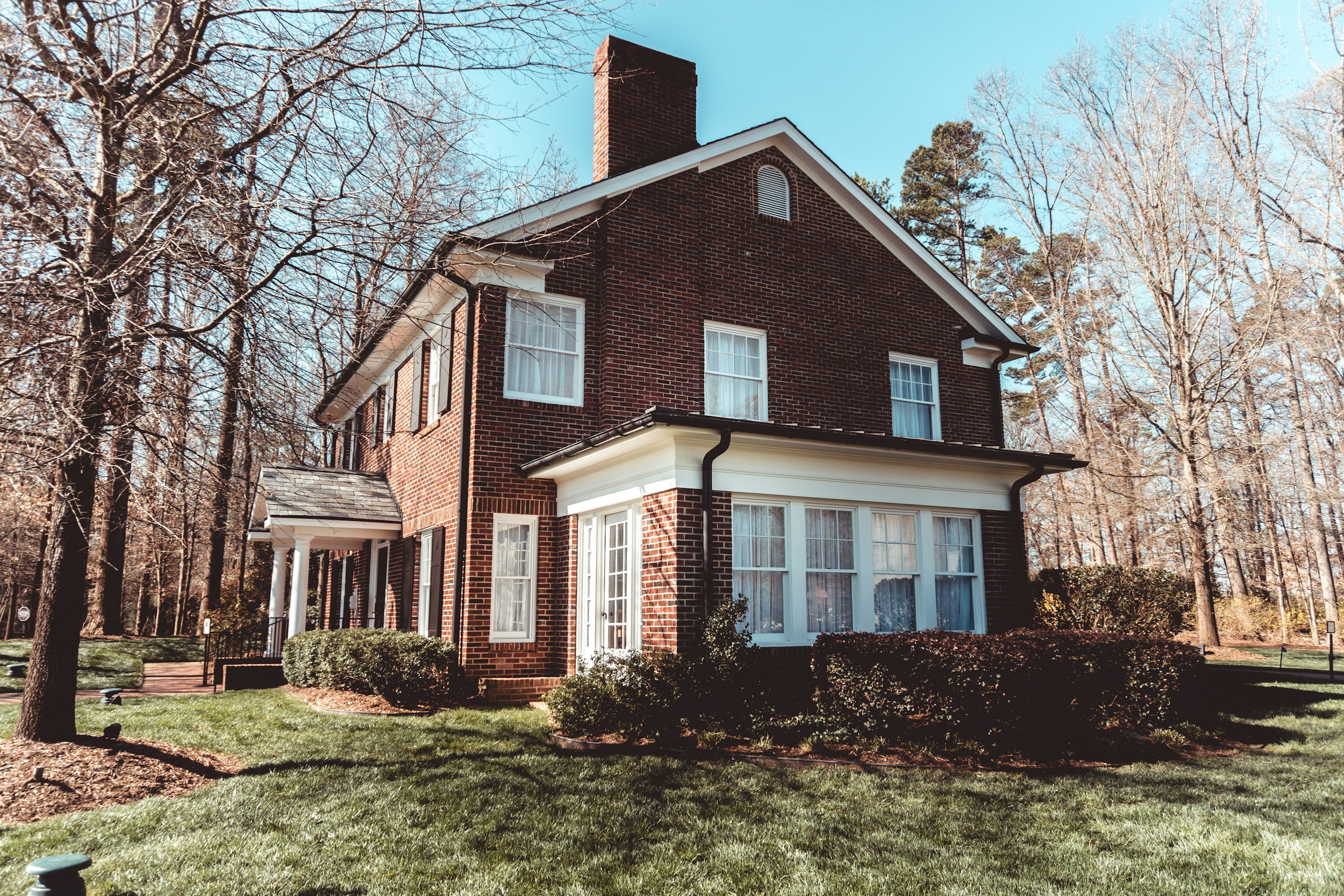
The cost of moving
A planned move has real financial costs, and they're worth knowing about honestly. A full-service local move within New Hampshire, including professional packing, typically runs several thousand dollars when you add up the movers, the packing services, and the smaller expenses that catch people off guard: utility deposits, junk removal, cleaning at the old place, storage overlap, address changes, mail forwarding, updated insurance.
None of those individual costs are catastrophic. But they add up, and families who haven't thought through the full picture sometimes experience the financial side of a move as more chaotic than it needed to be. Planning for the real number, not the optimistic one, makes a significant difference.
One option worth knowing about that many people don't: a senior move manager. This is different from a moving company. The movers load and unload the truck. A senior move manager handles everything around that: helping you figure out what to keep, what to sell, what to pass on, coordinating with the movers, setting up the new space so it functions from day one. If you're doing a significant downsize, if the emotional weight of leaving is real, or if you simply don't have the bandwidth to manage all the details, a senior move manager is worth understanding as an option. It costs money. It often saves money in other ways, and it saves time and stress that's genuinely hard to put a number on.
The question underneath all of this
The question most people are actually sitting with isn't whether a move will eventually happen. For most older adults in a house that was built for a different chapter of life, some kind of transition is likely on the horizon. The real question is whether you get to be the one who decides when and how it happens.
That answer depends almost entirely on when you start the conversation.
For older adults who are somewhere between "I should probably think about this" and "I'm not ready to do anything yet," the window to make this decision on your own terms is open right now. The planning doesn't have to be urgent to be useful. Starting early is exactly what makes it unhurried.
For adult children who are watching a parent stay put in a house that's aging faster than anyone wants to acknowledge, the most useful thing you can do right now is start the conversation before it becomes a crisis. Not to push toward a decision, but to understand what your parent actually wants, what they're afraid of, and what a good outcome would look like for them. That conversation, started early and revisited over time, changes everything about how this transition goes.

Where to start in New Hampshire
If you're in New Hampshire and you're somewhere in the thinking stage, the New Hampshire Aging and Disability Resource Center is one of the most useful first calls you can make. Their statewide number is 1-866-634-9412, and there's a Merrimack County line at 603-228-6625. These calls are free, with no eligibility requirement. What they offer is called options counseling: a real conversation, not a brochure, with a trained specialist who can map out what services and supports exist for your specific situation.
Granite State Independent Living, based in Concord, is also worth knowing about. They work with seniors and people with disabilities on home care, transition services, and independent living support throughout New Hampshire. Their number is 603-228-9680.
Both of these resources exist to help people think through options before urgency takes over. That's the whole point.
One last thing
If you've been putting off this conversation because it feels like opening a door you're not sure you're ready to walk through, I want to offer a reframe. Starting this conversation early isn't an admission that something is wrong. It's an act of agency. It's the thing that keeps the decision yours.
If you want to think through what a transition might look like for your specific situation in New Hampshire, I'm available for a free 30-minute call. No sales pitch, just a real conversation about where you are and what actually makes sense to do next. You can reach me at 603-573-6969 or schedule through the link below.
And if you'd rather start by watching, the companion video to this post walks through the same territory out loud, including the numbers I kept general here.

The Cost of Waiting Too Long to Move After 65 in New Hampshire